Hello, this is Healing Santa Kim Ji-yu.
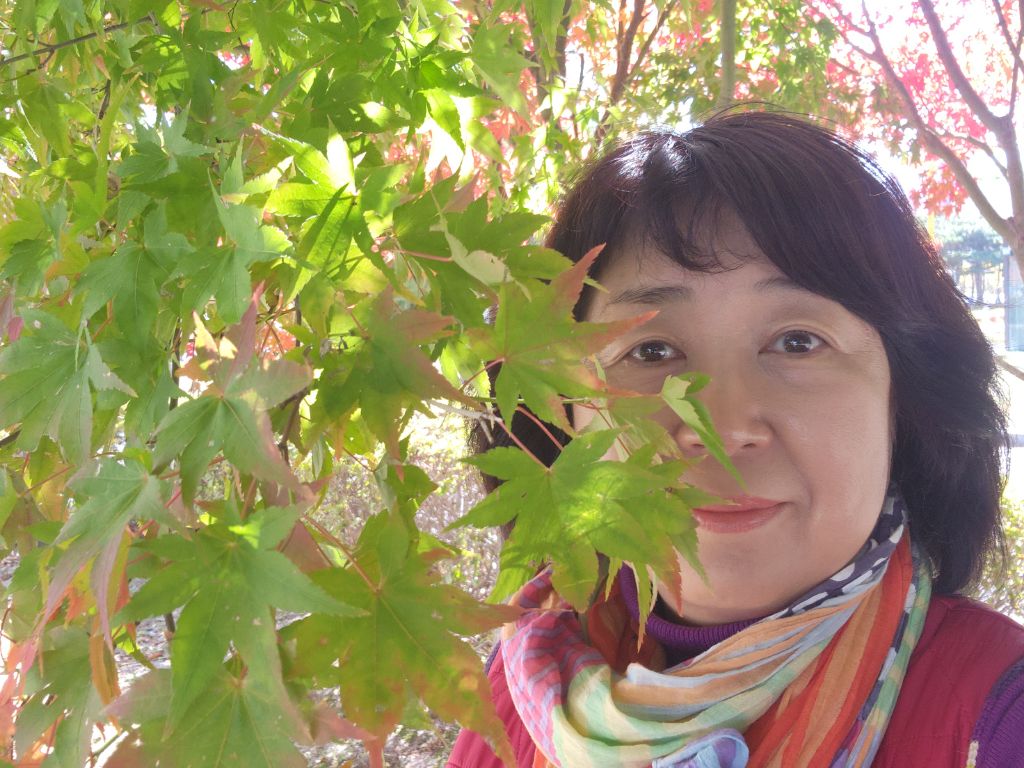
Under the bright sunlight, beneath a maple tree,
I open the day with a grateful heart.


Playing with a selfie for a moment, I look at myself in my sixties, growing older.
I am grateful to myself today, just as I am.
Waking up and noticing,
accepting things as they are,
taking responsibility as the owner of my life,
raising my own voice to help the world,
walking toward my dream as far as I can: this has been my PuNolChi Mind Journey.
Nathaniel Branden, the American psychologist called the godfather of self-esteem, believed that self-esteem does not appear by itself but is built on what we practice and do every day. So he named those practices “The Six Pillars of Self-Esteem.”
The Six Pillars of Self-Esteem
1) The practice of living consciously
2) The practice of self-acceptance
3) The practice of self-responsibility
4) The practice of self-assertiveness
5) The practice of living purposefully
6) The practice of personal integrity
The sixth pillar is like a roof that ties the five pillars before it into one. Noticing, accepting, responsibility, voice and purpose all become whole in the end when my words and my life become one.
Today I turn this sixth pillar, the practice of personal integrity, back toward myself.
“In 2026, did I, Healing Santa, live as I said I would?
Were my beliefs and my life one?”
Holding this question, I welcomed a Saturday that gave me an enormous realization as a gift. Let me share that day, step by step.
1. Dark dawn: the hour that opens a new today
The evening before, at 7 p.m., I held a PuNolChi lecture training session on Zoom. I was tired, but it went well, and I went to bed early.
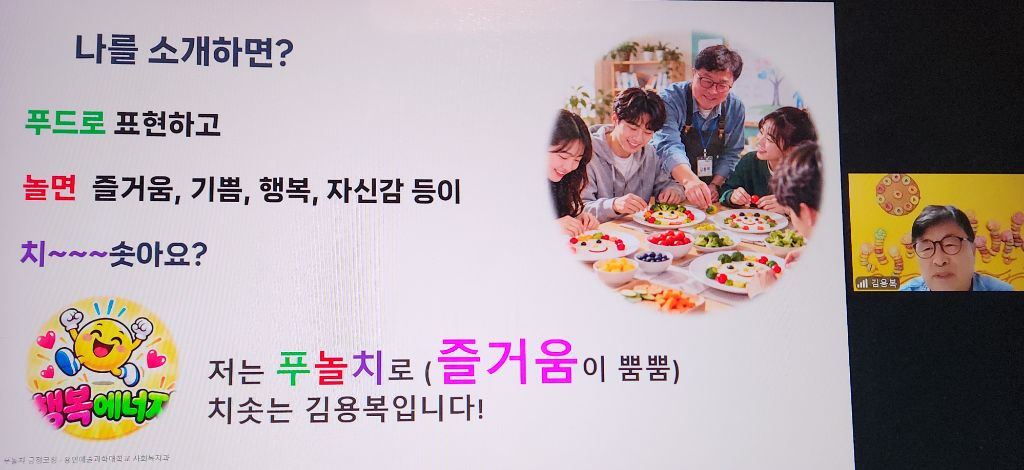
Then 5 a.m.
I am grateful that a new today unfolds.
In the dark morning, I stopped by the church for a moment of Eucharistic adoration.
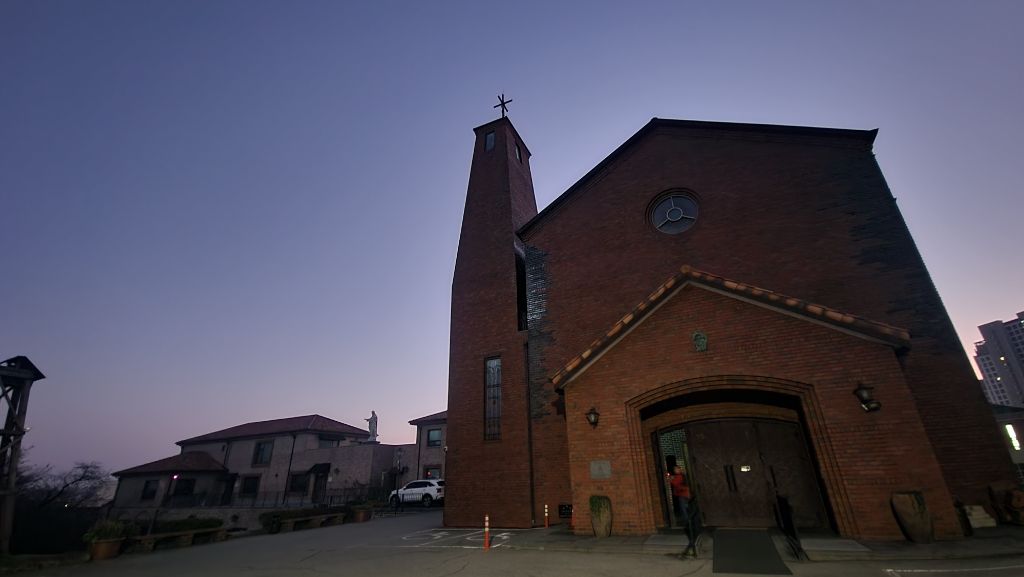
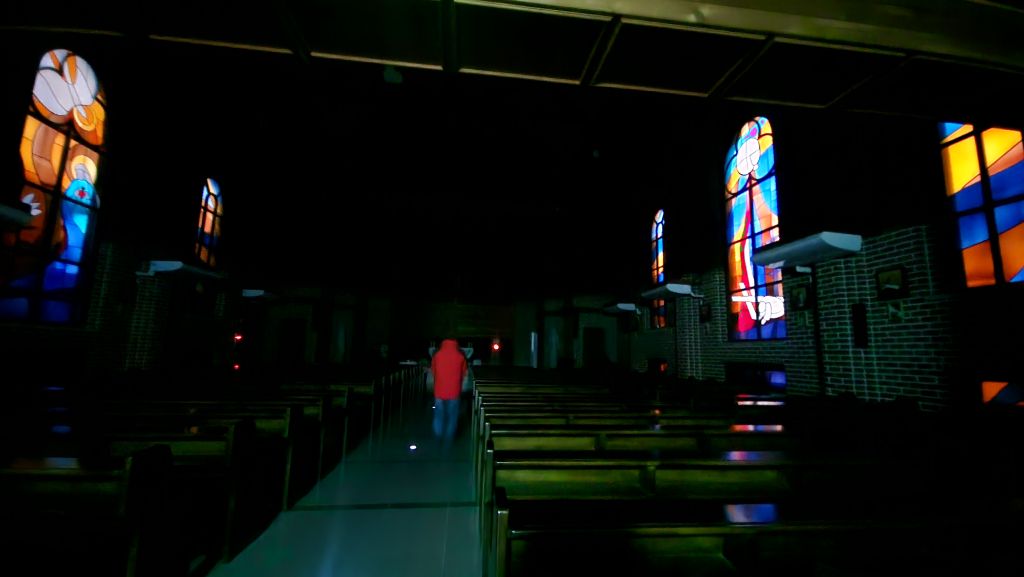
In the quiet church I entrusted the day to God and laid my heart down, and the vessel for receiving learning felt a little wider.
2. Just that nothing happened
At 7 a.m. it is the day I learn at Mirae Hakdang, the Saturday online lifelong-learning school. On the morning Director Kim Gwang-ho opened for us, this sentence appeared on the screen.
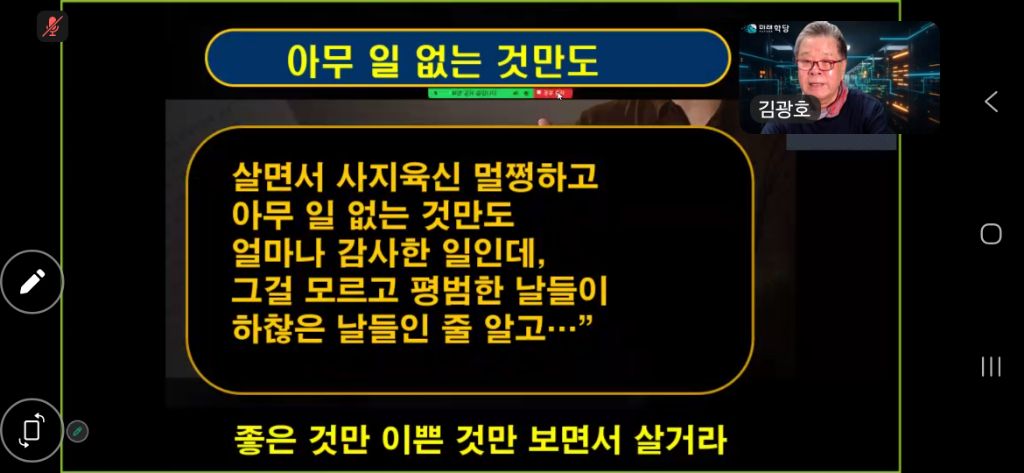
“How grateful we should be just to live with a sound body and nothing happening,
yet we don’t know it, and think our ordinary days are trivial days…”
For me, who had to stop for several years after a car accident in 2018, this one line went deep into my heart.
Walking to church on my own two feet, learning by watching the screen with my own two eyes, setting the table with my own two hands: today. I learn again that an ordinary day is the greatest gift.
The director also told stories of resilience, of people who kept their everyday lives going even in fear: the strength to live by looking at good and beautiful things is what finally lifts us up again.
3. You see as much as you know: CEO Kim Hee-yeon’s insight
The next lecture, by CEO Kim Hee-yeon, was titled “Using AI to find distinctive value: handling AI in the forest of humanities and insight.”
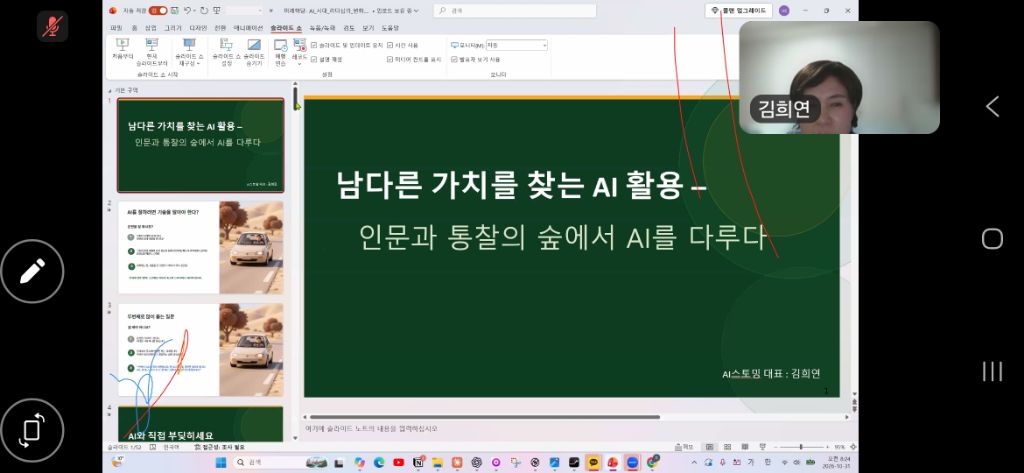
Let me sum up in five points what stayed in my heart.
One. Run into AI directly.
Everyone is a beginner, and the starting line is the same.
And trust the experience of the life you have lived.
Two. AI’s first answer is usually a safe, average answer.
A distinctive answer comes from a question that goes one step further.
Three. In an age when knowledge is everywhere,
connect moments of empathy rather than mining AI for knowledge.
Moving poems and moments of comfort are everywhere around us.
Four. Connection creates distinctiveness:
linking completely different things in unexpected ways,
looking back at today from the picture of the future,
connecting with the voices of wise people.
Five. A question that asks for a life lesson rather than a score.
That question lets us use the same tool at a completely different depth.
They say you see as much as you know, and throughout the lecture my 20-year PuNolChi path looked new to me.
4. Seeing as much as you know: that is self-esteem
As I mulled over the lecture, it met Nathaniel Branden’s ideas exactly.
Branden explained self-esteem as two beliefs:
the belief that “I can think, learn, choose and judge,”
and the belief that “I deserve to be happy.”
“Trust the experience of the life you have lived” was exactly that first belief, the power of trusting my own thinking and learning. The courage to run into AI directly, without shrinking before it even the first time, comes from healthy self-esteem.
“You see as much as you know” also resembles Branden’s first pillar, living consciously. The more fully I stay in what I am doing now, and the more I notice both the world outside and the world inside me, the more deeply I see the same day and the same tool.
And the realization that “an ordinary day is not a trivial day” was self-acceptance: accepting today and myself just as we are.
5. After class: insight moved onto a plate
The moment class ended, I moved that joy-charged feeling onto a plate as a PuNolChi Mind Journey.
On round slices of zucchini cut for pan-fried hobak-jeon, I carved K-C: K-content.
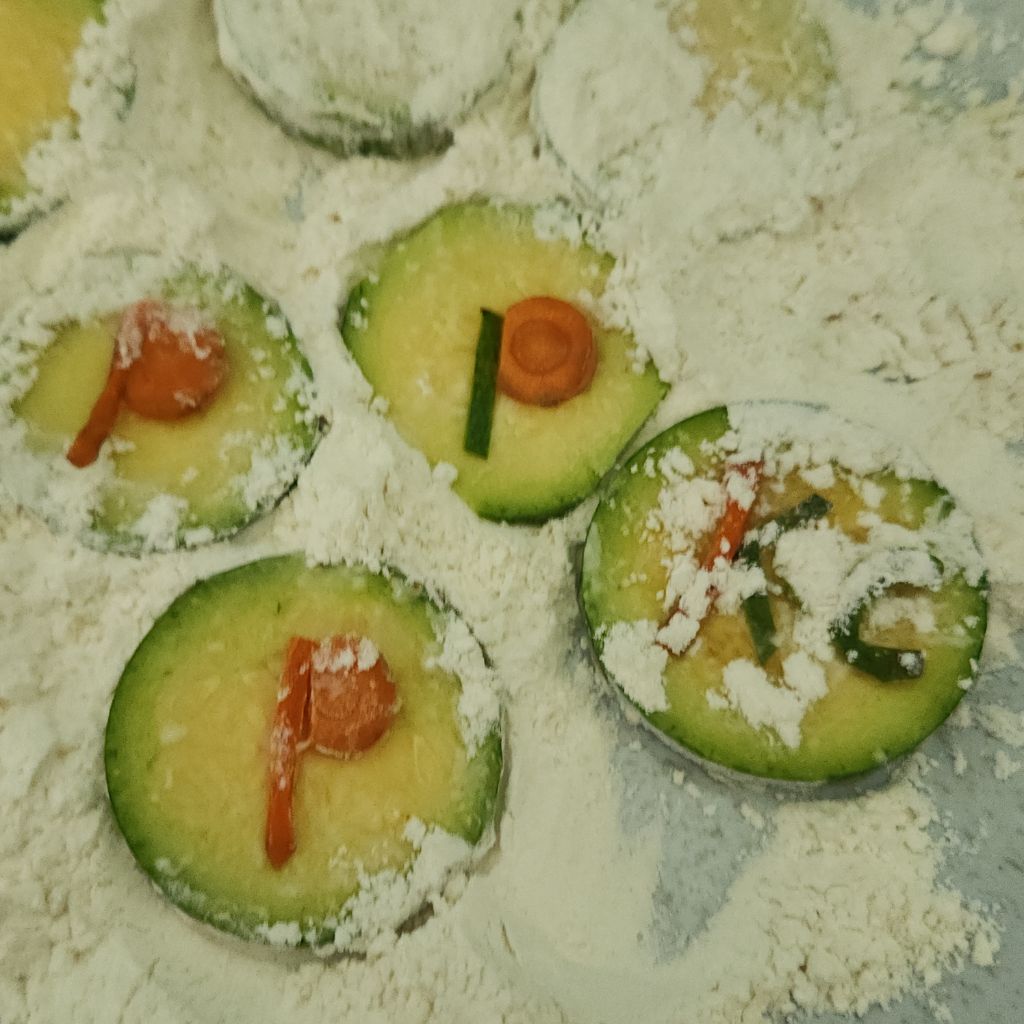
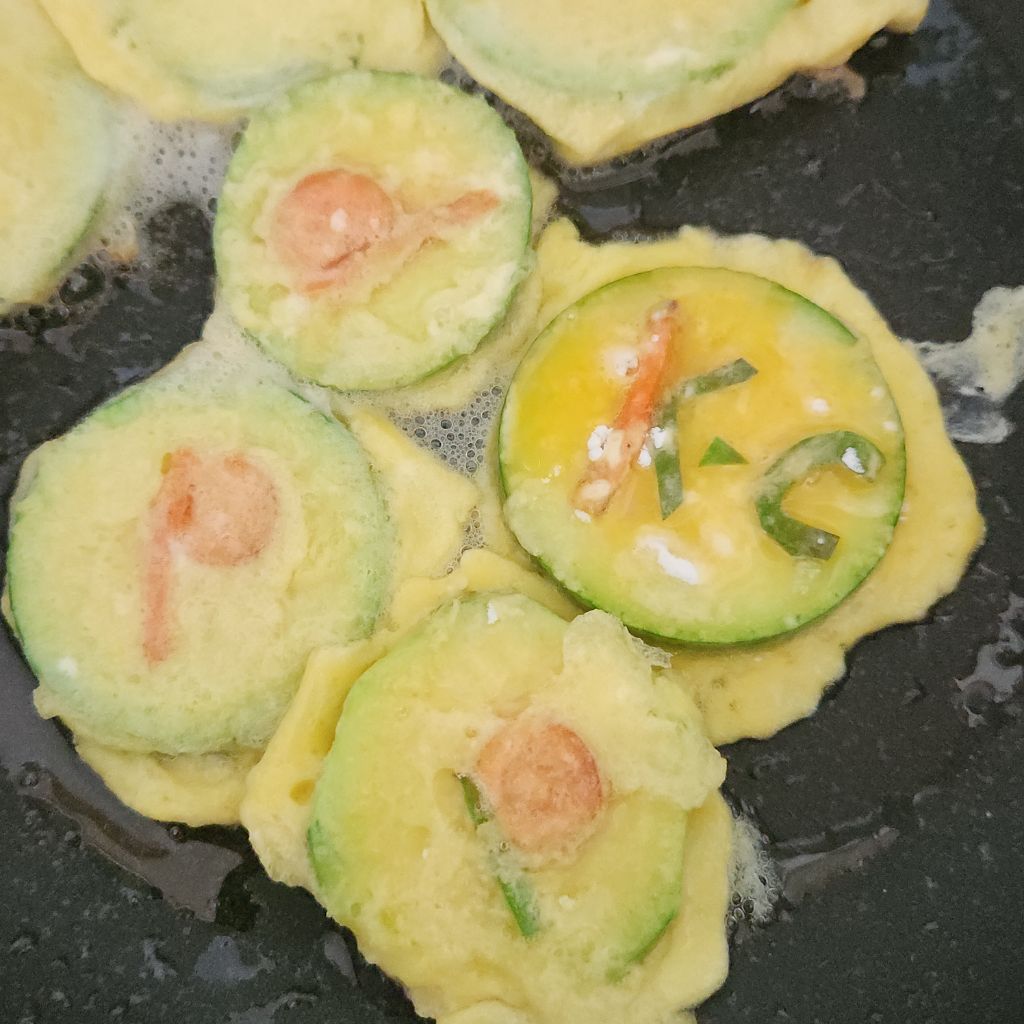
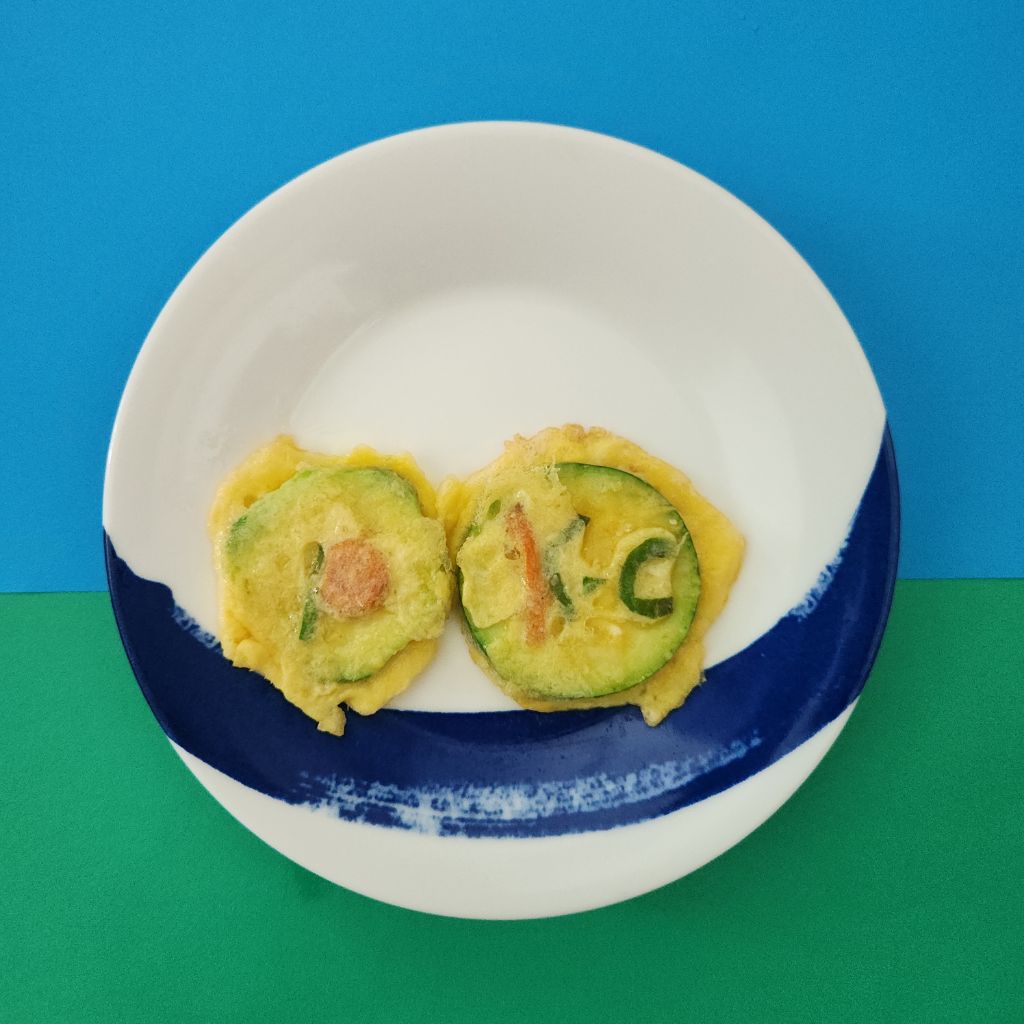
P for Potential
P for PuNolChi
P for PERMA, the flourishing life of positive psychology
P for Positive Emotion
With the leftover zucchini, I built towers.
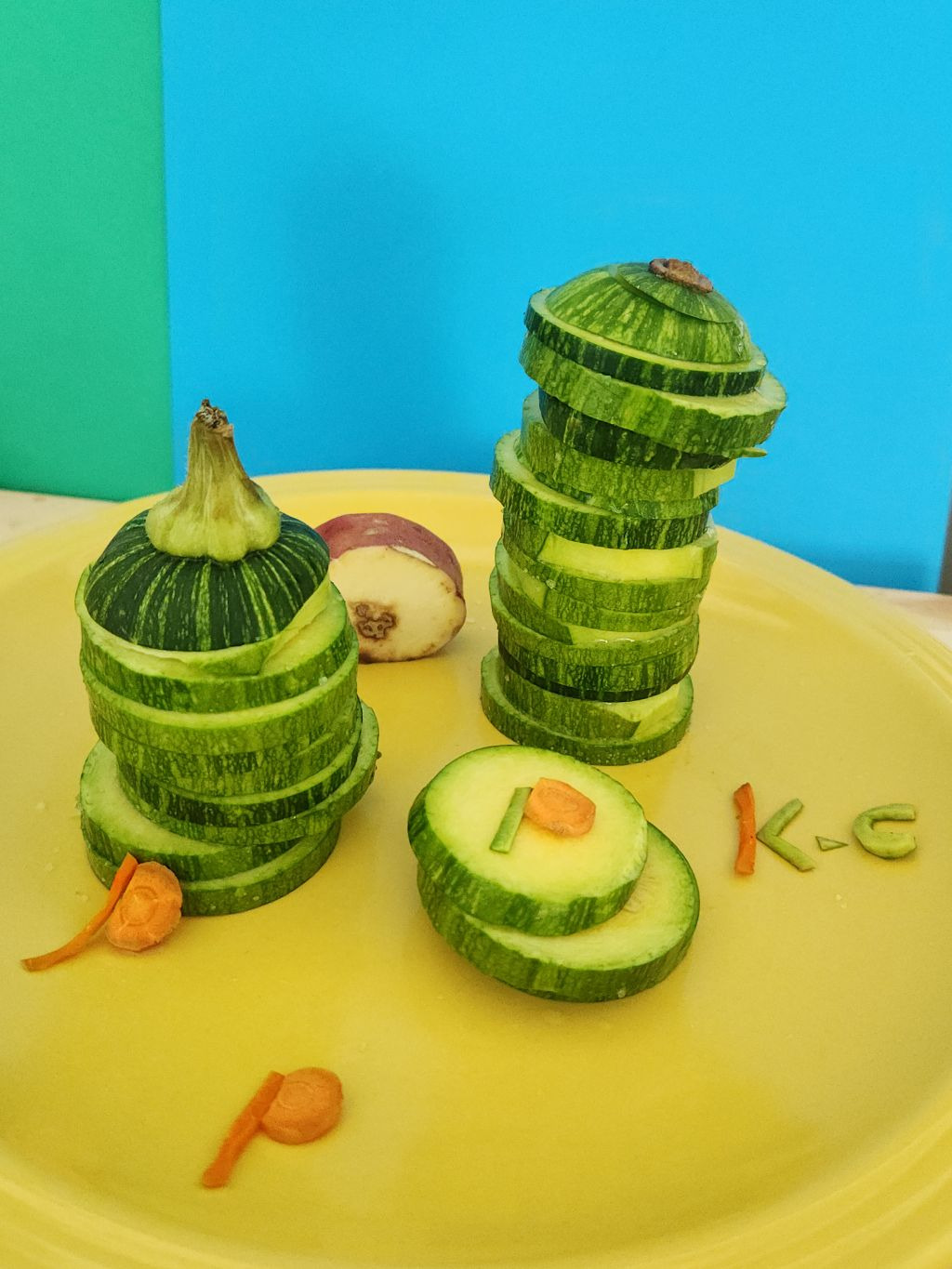
Does it feel like joy and sorrow crossing? In fact, a piece of sweet potato is hiding in this work. What this little friend might be saying, I will share in a close conversation next time as a story about the work.
It seems to me that each one of us, with infinite potential, is K-content, K-potential. Through PuNolChi, the psychology on the dining table, I work together with many experts to leave one dot on a healthy, beautiful world.
After class, I talked for a moment on the phone with Writer Kim, one of the people I love most in my life. I remembered the time, a few years ago, when we designed the program “Let’s Play, Food! It Helps Prevent Dementia” and ran a 20-week PuNolChi dementia-prevention program together with Writer Kim, a music activist who plays every instrument with ease.
After marrying Writer Kim, my guardian angel since childhood, it took 25 years for the one who sometimes seemed to be on someone else’s side to be wholly on my side. I am grateful that I could share that long story of change with my partner Raphael while setting the PuNolChi Mind Table.
A long conversation with my partner that gave me insight. Because we can stay awake in this present moment and share what we notice with each other in conversation, I am grateful that we can do this.
6. The connections I was already making on the dining table
Come to think of it, what PuNolChi has always been doing is exactly “unexpected connection.”
A slice of sweet pumpkin on noodles suddenly becomes a broadly smiling mouth,
two drops of ketchup become sparkling eyes,
and one fried egg becomes a face that makes my partner laugh.
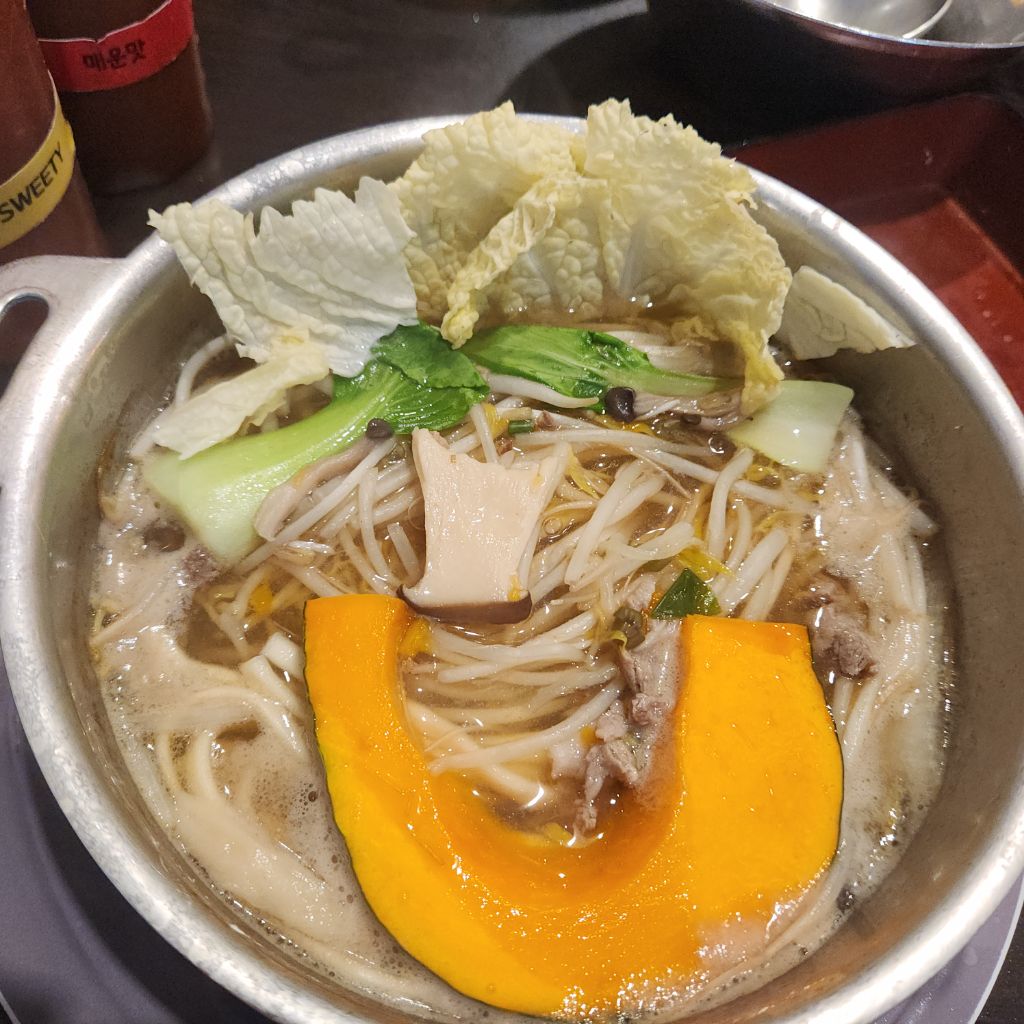
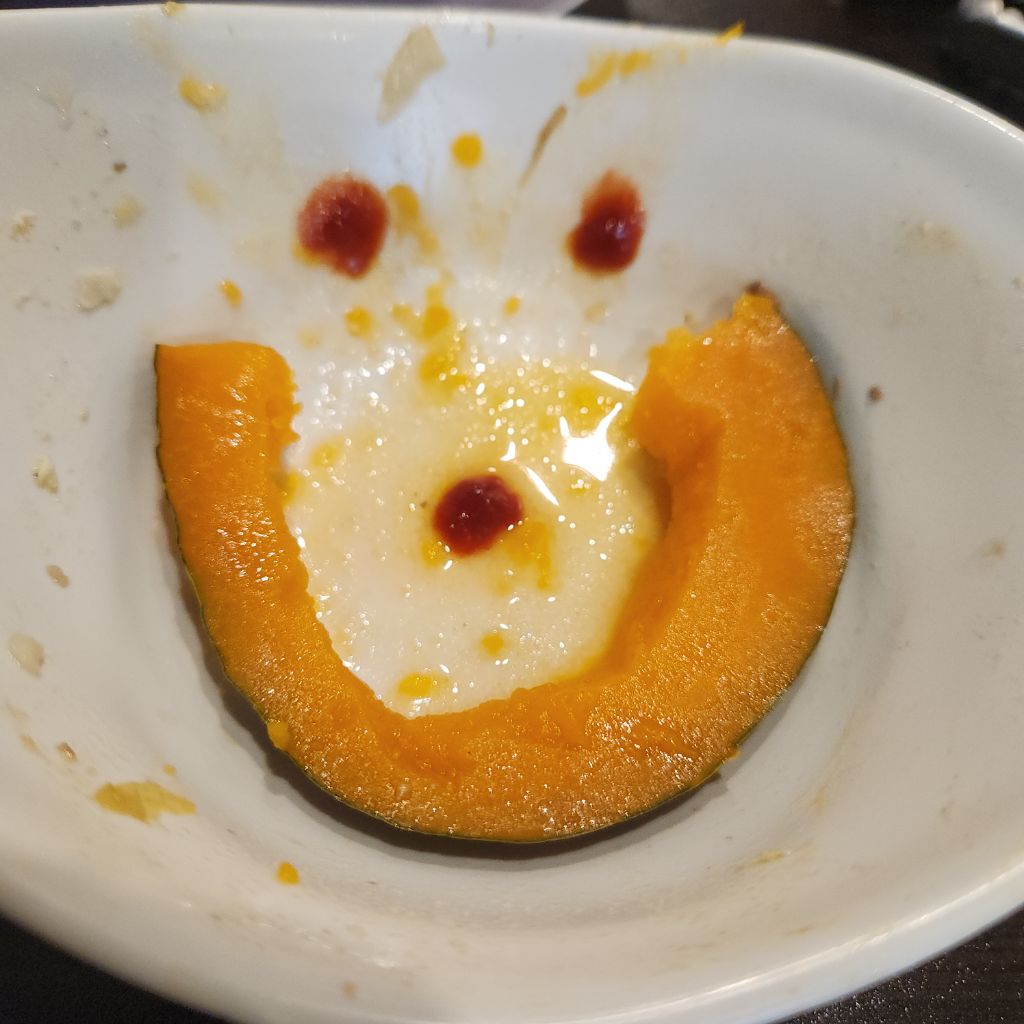

Time with my parents is always joy and gratitude for me. I am all the more grateful that my 90-year-old mother and 91-year-old father eat with big smiles through the PuNolChi Mind Journey.
Connecting food and heart, everyday life and art, you and me. Hearing that “the most human work in the age of AI is connecting moments of empathy,” the path ahead for PuNolChi, the psychology on the dining table, became clearer.
7. The most precious moment of empathy: a day with my parents
Yesterday was a grateful time with my parents, one piece of the most precious time in my life.
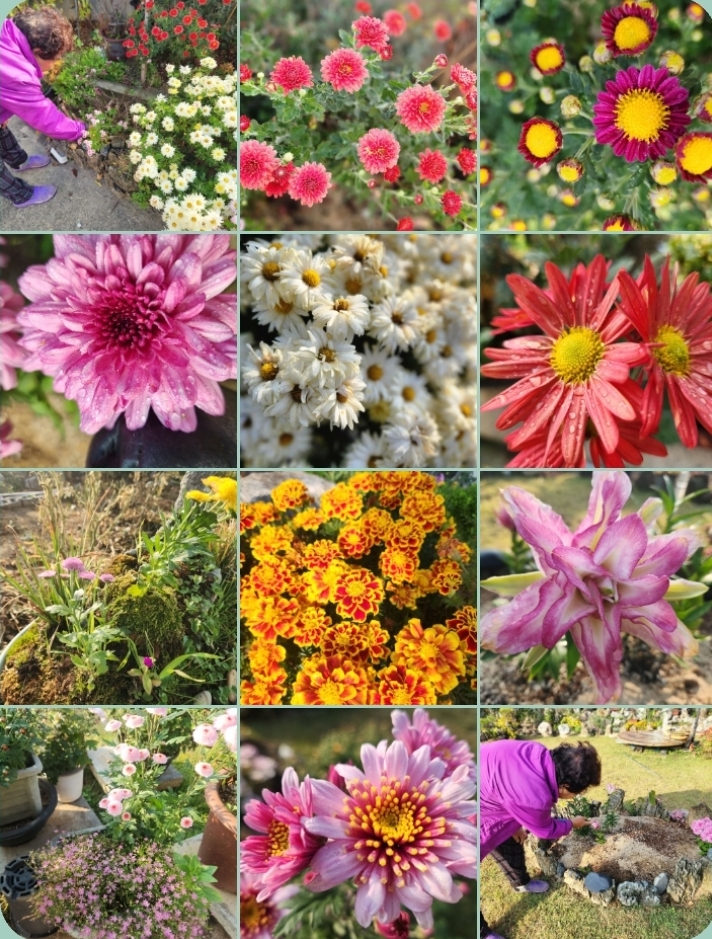
After coming back from a meal, my 90-year-old mother became a superwoman and repotted the plants, and I helped as her assistant, though with a touch of a cold I was a little woozy.
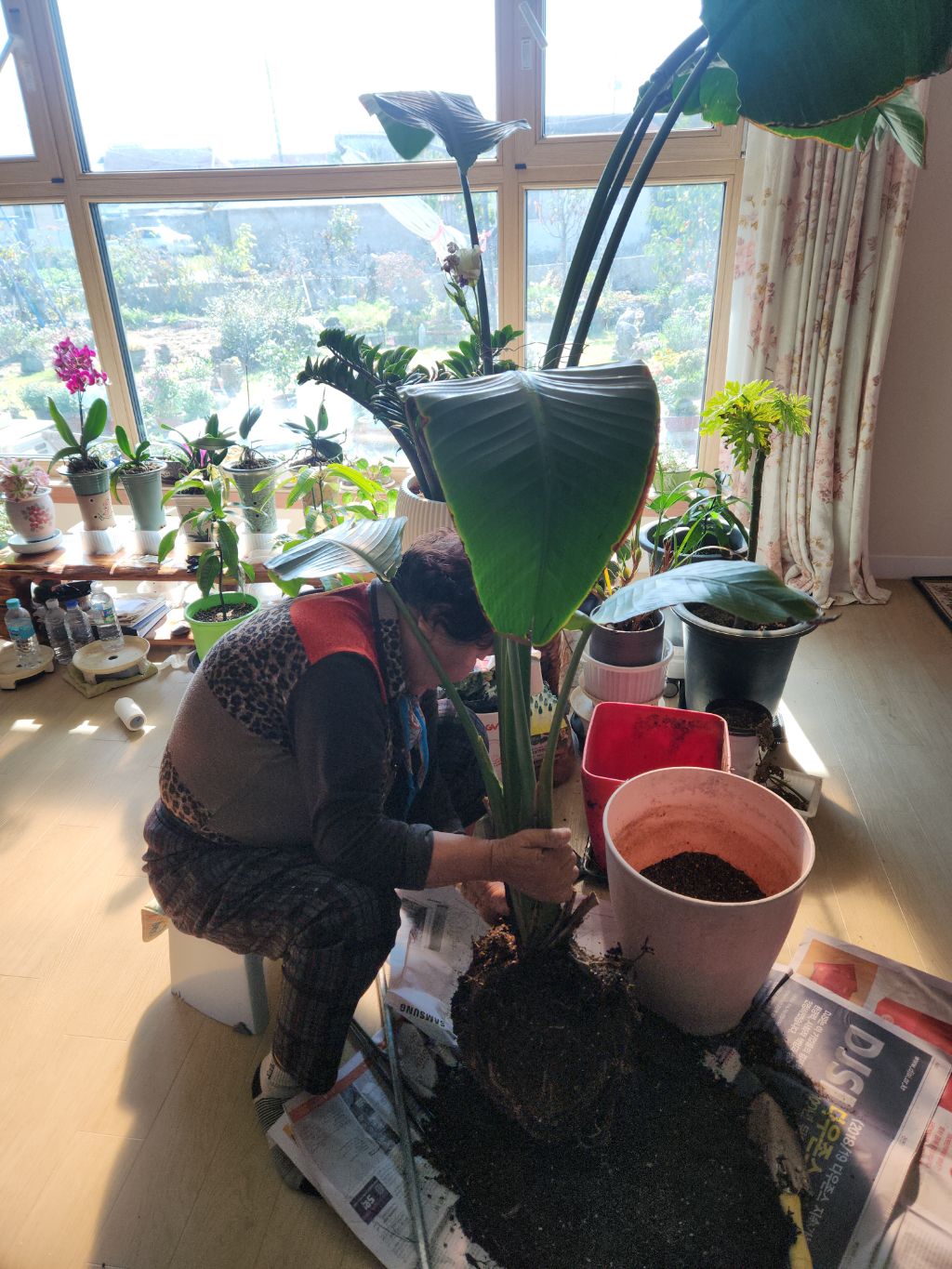
Was it thanks to the grateful meal we shared with my parents? My mother’s strength shot up!
After the meal we went window shopping for a little walk. The store, already preparing for December, was full of the Christmas mood.
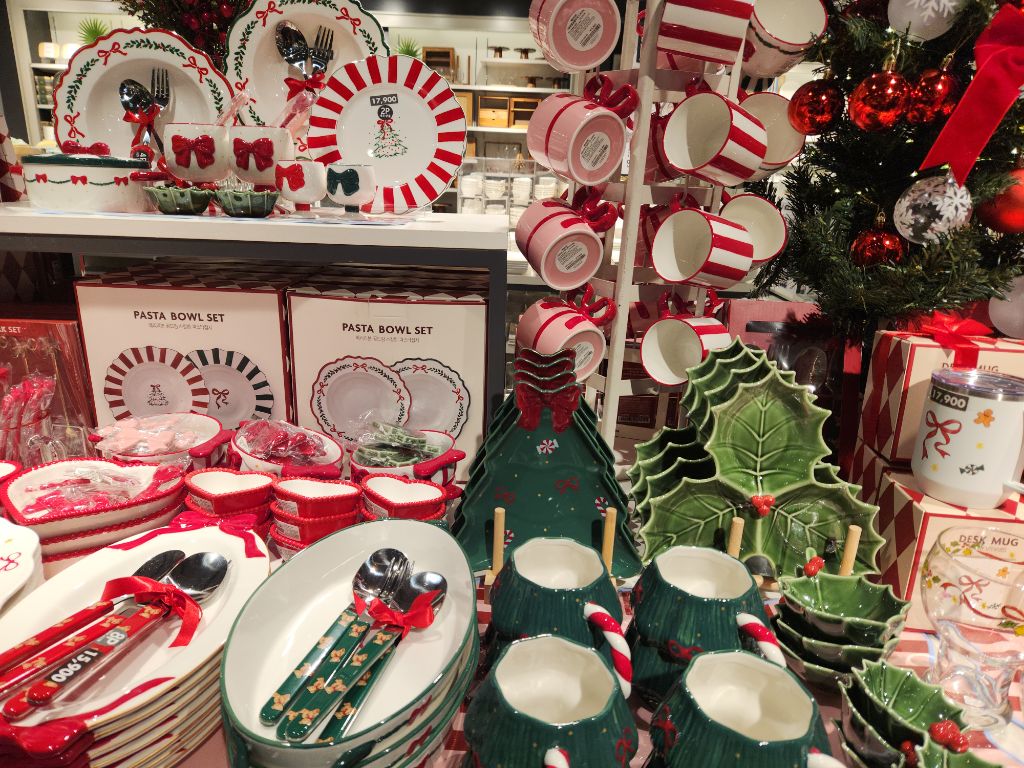
In just two months, the new year 2027 will come. I pray in my heart, hoping and cheering that all of us live every moment with gratitude and that every day becomes a gift, like Christmas.
What we can know without asking AI:
that the table where we sit facing someone we love
is the warmest moment of empathy.
8. Today’s resolutions
“In 2026, did I live as I said I would?” Today quietly answered the question I had held in the morning: when the dawn prayer and the morning learning, the play on the plate and the conversation with my partner, and the table shared with my parents are connected as one, my beliefs and my life are becoming one, little by little.
One. I will not treat an ordinary today as trivial.
Two. I will not be afraid of new tools, but will run into them directly.
Three. I will trust the experience of my 20 years on the PuNolChi path.
Four. On the dining table, I will connect person with person and heart with heart, in unexpected and warm ways.
Today’s five-minute connection table:
pick two ingredients from your fridge that seem not to go together at all,
and take a PuNolChi Mind Journey on a plate through Food Expressive Arts.
Then have a conversation with what you expressed.
“What do you want to tell me today?
What life lesson do you want to give me?”
Closing
I deeply thank Director Kim Gwang-ho for the wonderful lecture and CEO Kim Hee-yeon for the tremendous insight.
Today, too, I begin a day of loving with love, with a heart fully charged with gratitude.
Thank you, thank you, thank you.
What would you like to connect with what today?
Healing Santa Kim Ji-yu
This story was first posted in the Healing Santa's life of learning, loving and sharing of the healing space Haengbok Yeolgi cafe.