Hello, this is Healing Santa, Kim Ji-yu.
After the stories of noticing while awake, accepting as I am, and taking responsibility as the owner of my life, today we set out on a mind journey with the fourth pillar, “self-assertiveness.”
And as in the last essay, I would like to ask myself and answer: “In 2026, how did I, Healing Santa, raise my voice in the world? Did that voice help the world?”
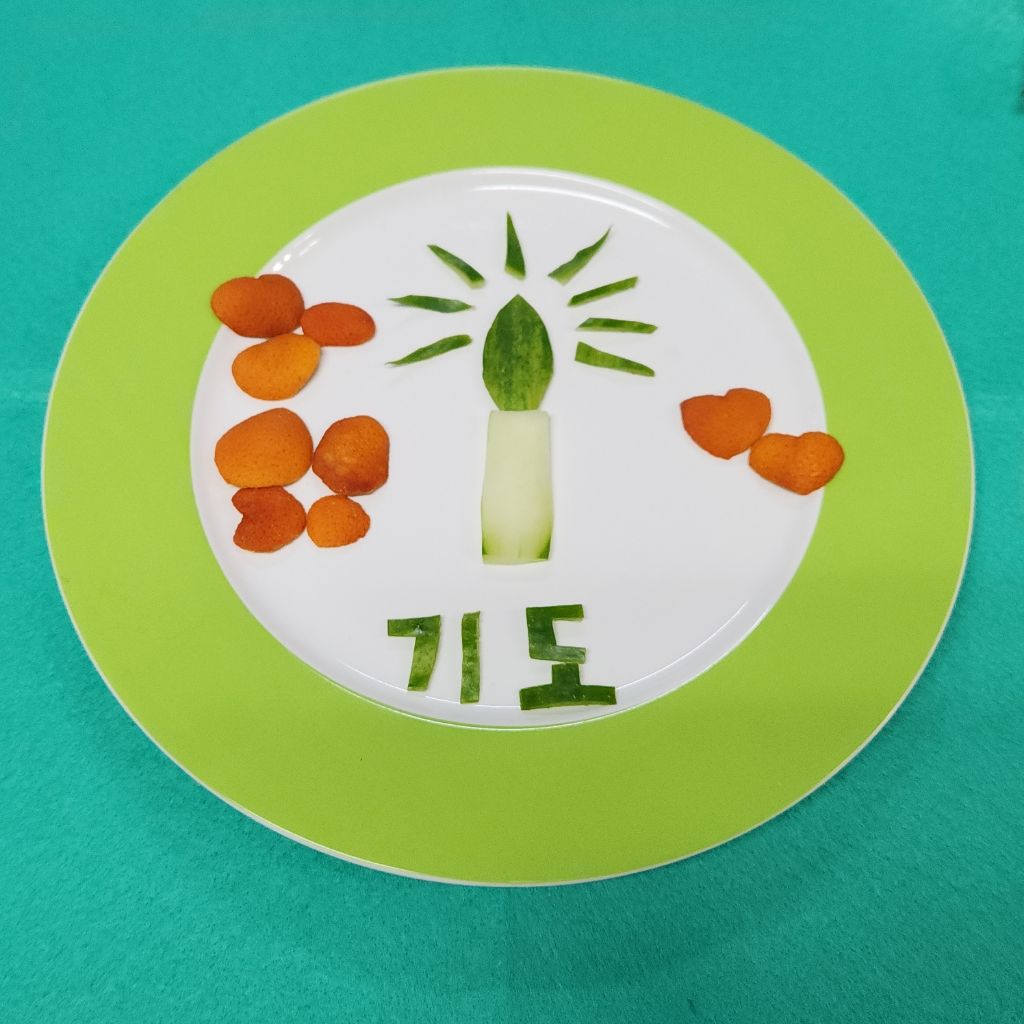
1. Nathaniel Branden's “The Six Pillars of Self-Esteem”
Nathaniel Branden, the American psychologist often called the father of self-esteem, believed that self-esteem does not arise by itself but is built on what we practice and do every day. So he named those practices “the six pillars of self-esteem.”
The six pillars of self-esteem
1. The practice of living consciously / 2. The practice of self-acceptance / 3. The practice of self-responsibility / 4. The practice of self-assertiveness / 5. The practice of living purposefully / 6. The practice of personal integrity
Only when there is an awake me (1), a me who embraces myself (2) and a me who takes responsibility for my life (3) can I at last speak with my own voice. That is why the fourth pillar stands on the first three.
2. The fourth pillar: the practice of self-assertiveness
In the winter of 2019 I wrote this on my blog:
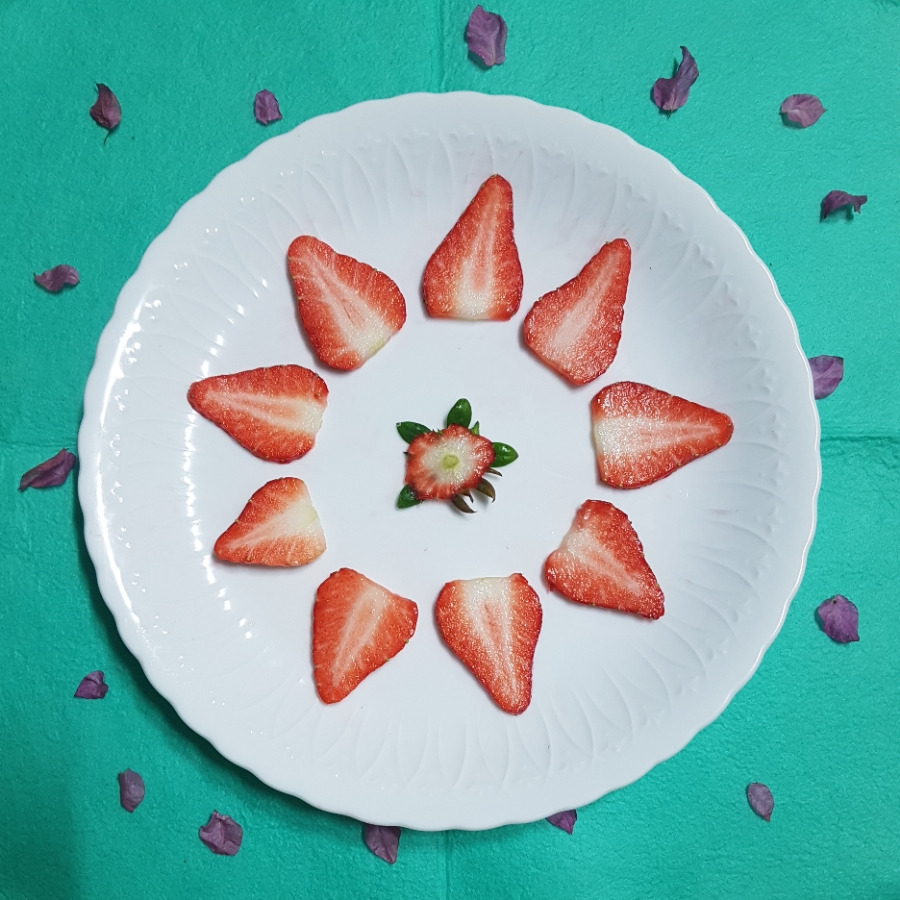
A strawberry does not belittle itself when it looks at the melon and the orange. It is beautiful just by existing.
Revealing my inner heart and putting it into words is an expression of my will to respect myself. Branden said self-assertiveness requires smart selfishness and courage.
Put again in Branden's words, it means honoring my wishes and needs and seeking ways to express them appropriately in reality; living in the world according to my values; being willing to show who I am and let others see it; and standing up proudly for my beliefs, values and feelings.
But self-assertiveness is not belligerence or aggression. It is learning how to live with others without losing myself, how to be kind without sacrificing myself, and how to cooperate without betraying my standards and beliefs.
The opposite of self-assertiveness is not humility but damage to self-esteem.
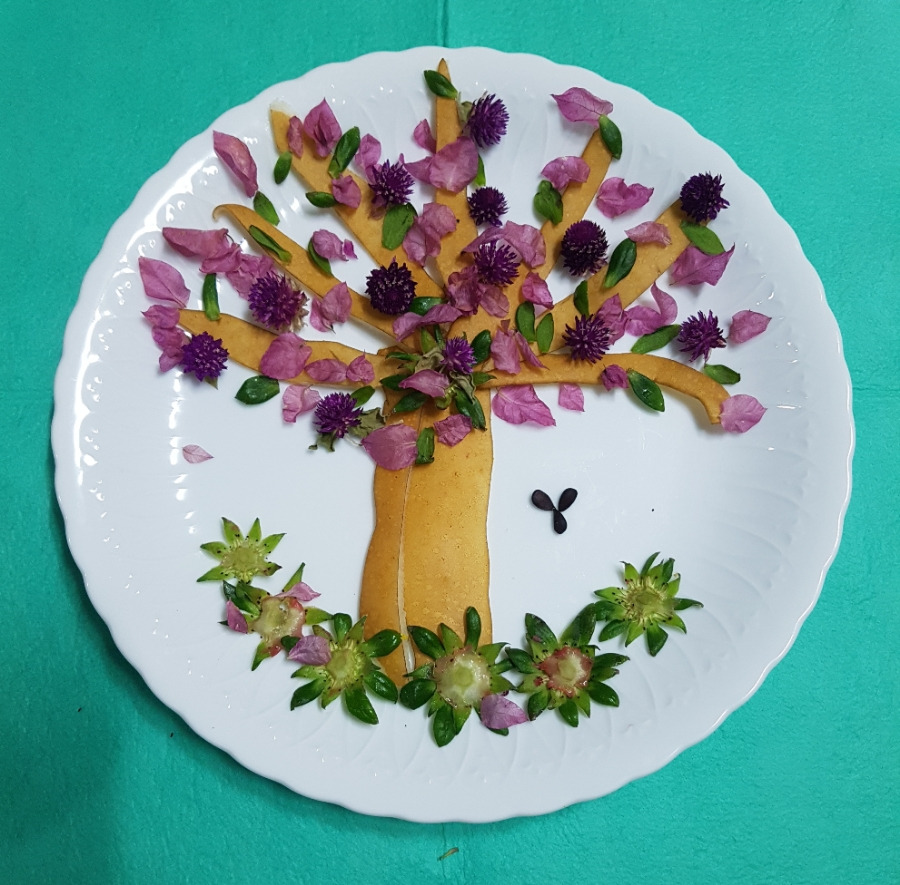
Expressing myself means that my life is mine. It means honoring my parents and doing my duty as their child, yet not designing my life to fit someone else's expectations; being able to decline politely when I don't want to; and speaking and acting as I believe is right.
A snow-covered path no one has walked can sometimes be frightening. But when we meet the inner light in stillness and silence, we gain the strength to express and assert who we are.
3. Healing Santa's 2026: a self-assertiveness diary
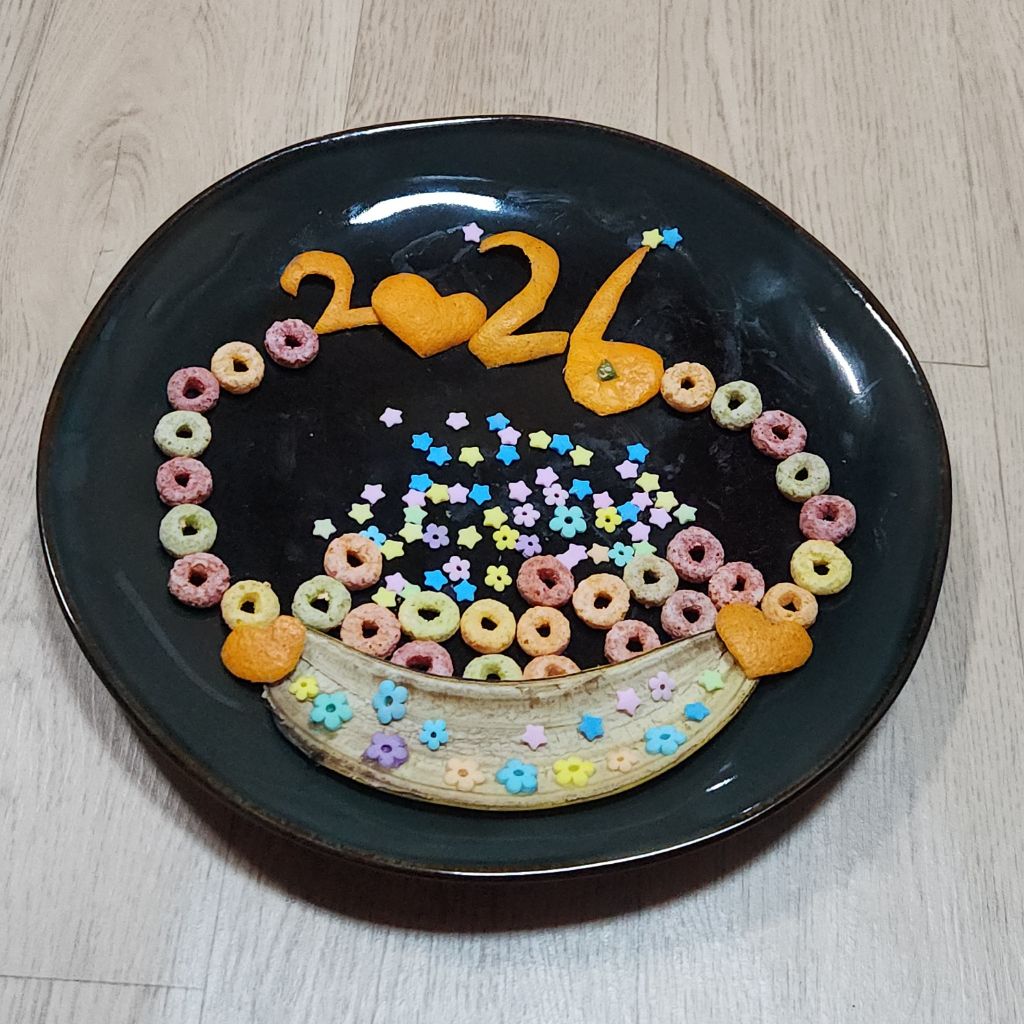
On New Year's Day I wrote the PuNolChi declaration. On January 2, writing the PuNolChi declaration aimed at Berlin, I asked and answered for myself: “Why food? Why Korea? Why PuNolChi?” Food is something everyone must eat as long as they live — so before eating delicious food that suits me, a 5-minute PuNolChi Mind Table~
I told the world in my own voice that PuNolChi is a language of healing that tends to one's own life in the most democratic way.
Apart and together, we declared our dreams. With the teachers of the PuNolChi Academy top leaders' course, we each declared our dreams aloud, “apart and together,” and promised to walk on together, sharing good influence for a healthy and beautiful world.
We wrote together and spread it together. I brought the first book of Haengbok Yeolgi Publishing into the world and held a book concert so another author's voice could reach readers, and I kept talking about the psychology on the dining table with 5-Minute Mind Table (하루 5분 마음밥상).
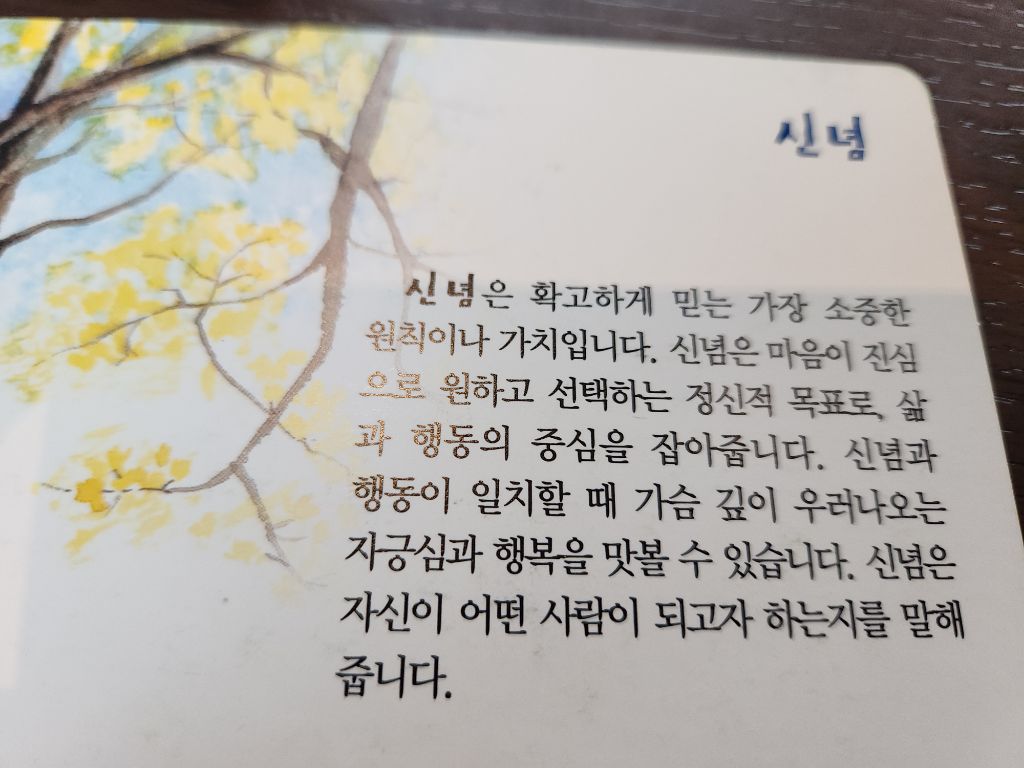
I spoke of my beliefs even in an unfamiliar land. In Düsseldorf, Germany, in August, I submitted a PuNolChi proposal to the city library, even in clumsy English. The belief card I drew that day said: “When beliefs and actions are in harmony, you can taste the pride and happiness that well up from deep in your heart.”
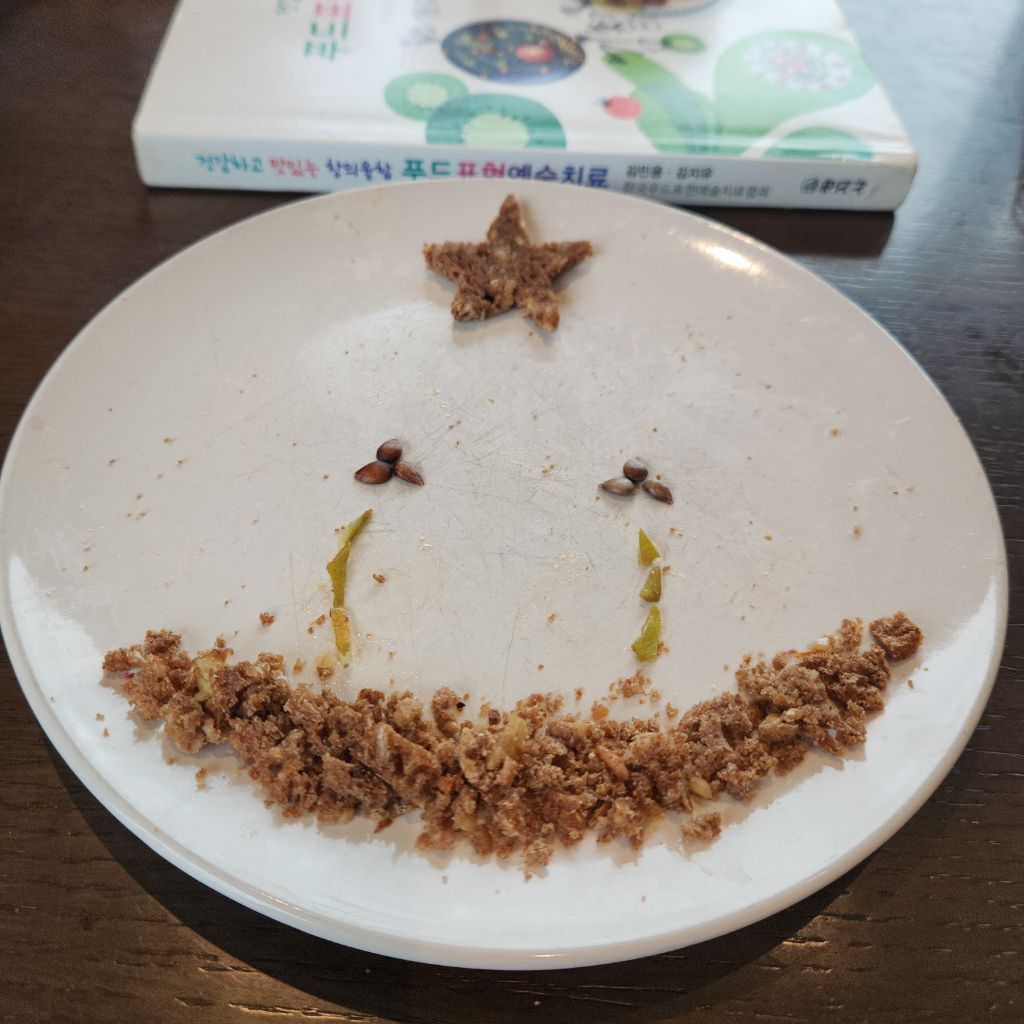
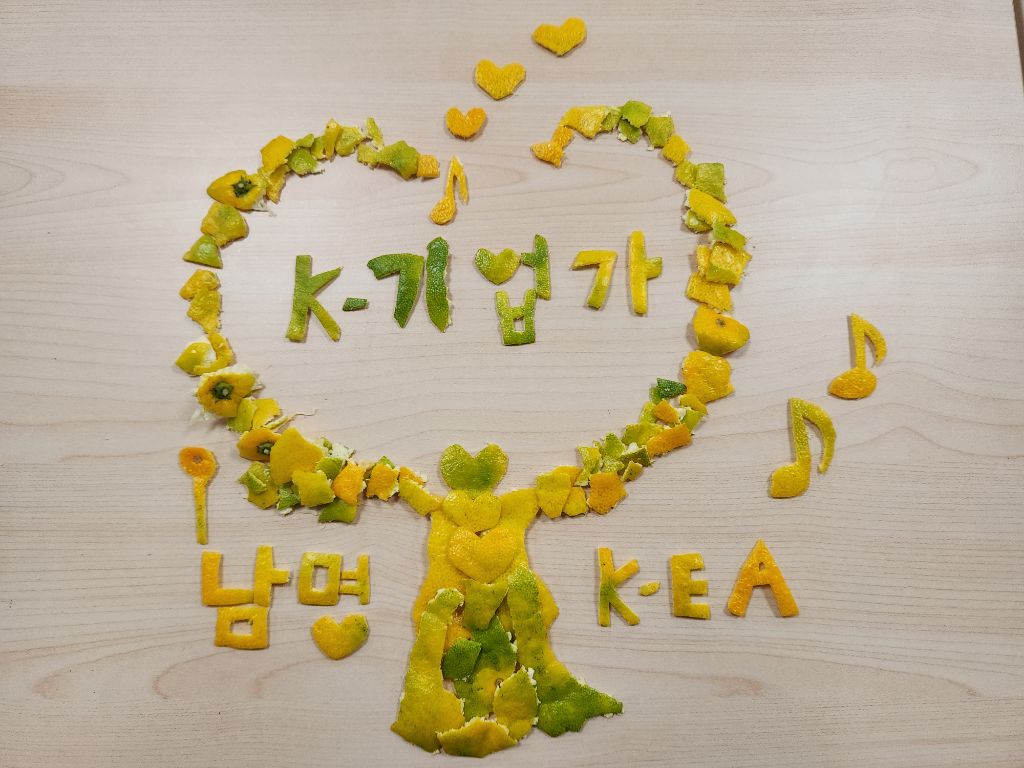
In Jinju, too, I wrote, “Today, too, I do my work.” At the Jinju International Forum on K-Entrepreneurship in October, among the world's big stories, I quietly asked myself: “What am I walking this path for?”
And I answered: not hurrying, not comparing myself with others, walking steadily, step by step, following the values I believe in. One table, one heart, one earth — to leave one small dot in the world.
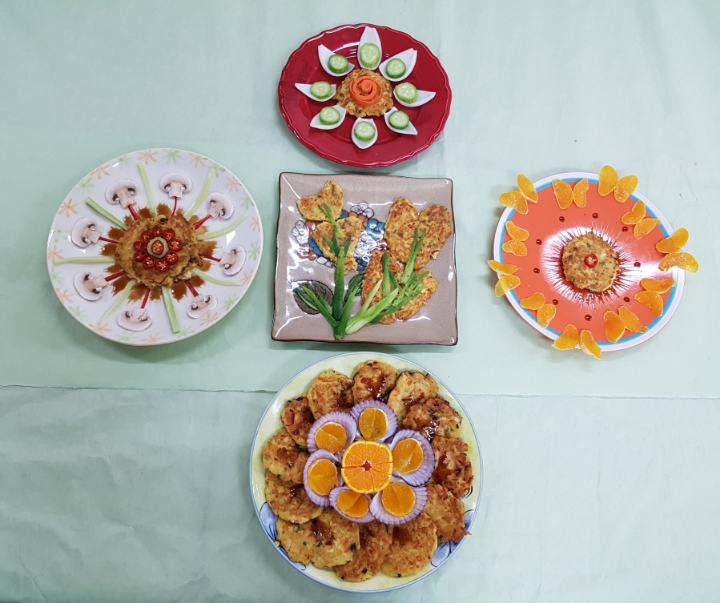
By asking questions, I try to hear the voice in another person's heart. In the PuNolChi Mind Journey, the answer is always within oneself.
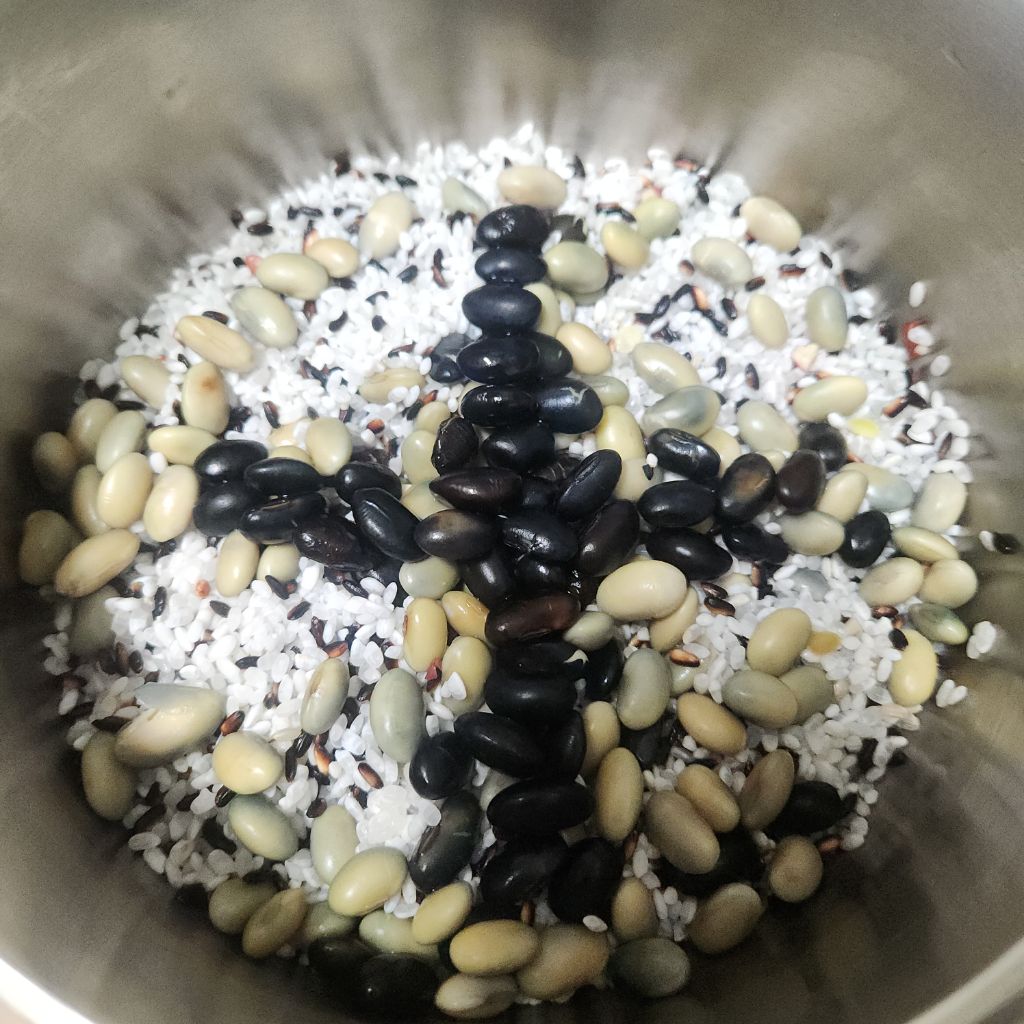
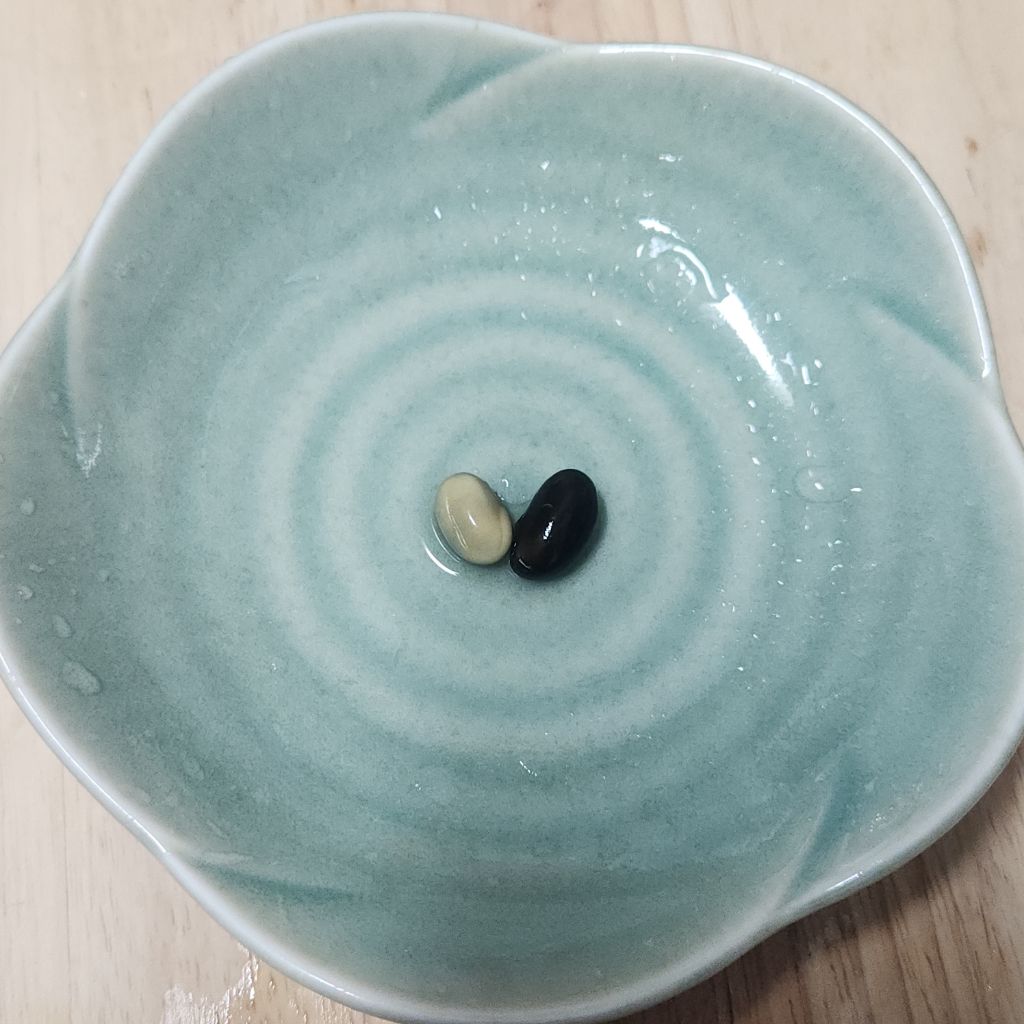
“What did I put on my plate today?”
When we change the question, a person goes from someone being evaluated to someone who expresses and asserts themselves. My self-assertiveness is also something that brings other people's self-assertiveness to life.
4. Did my voice help the world?
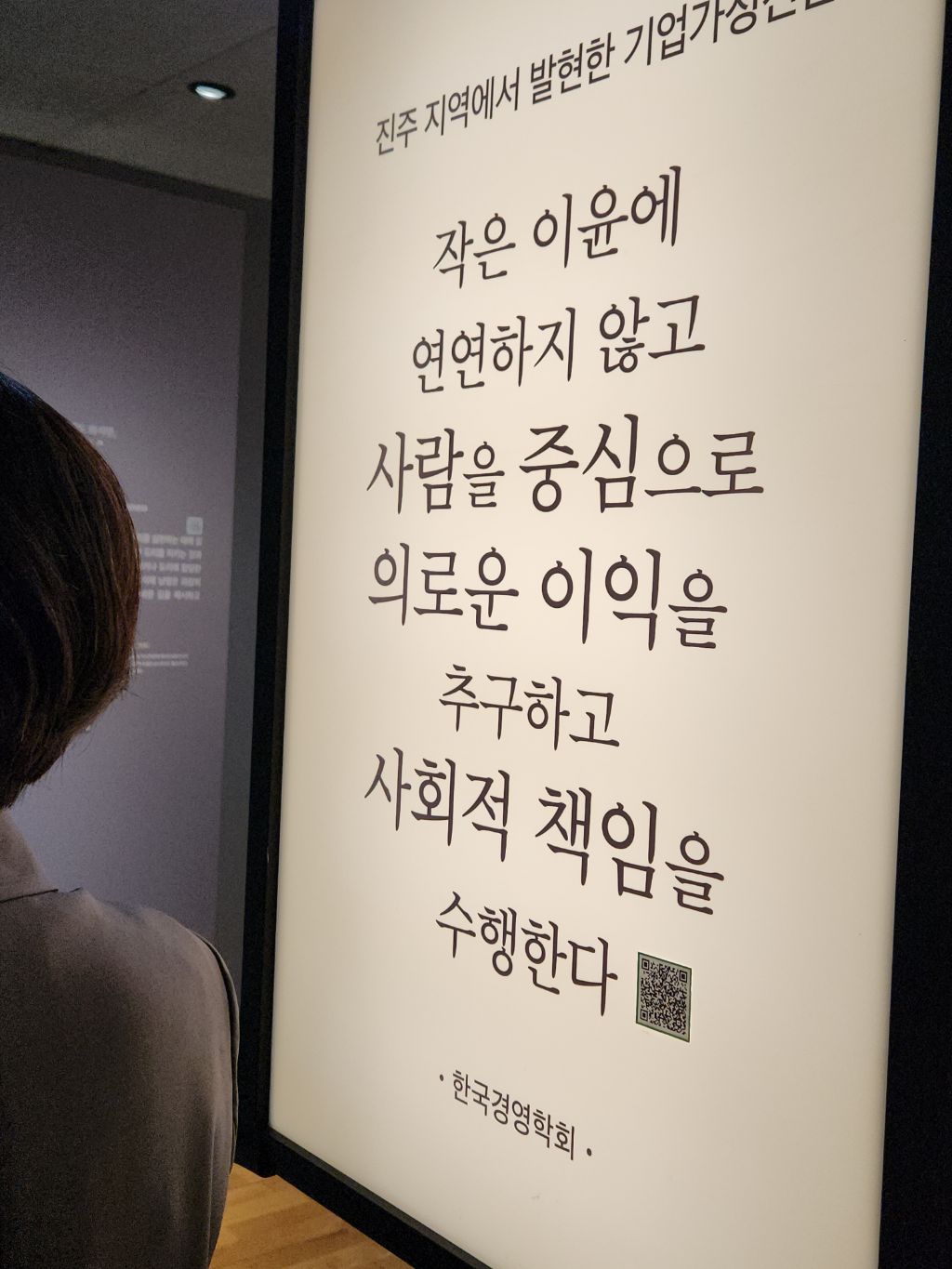
A phrase I met at Jisu Elementary School in Jinju, the cradle of Korea's entrepreneurs, stayed in my heart for a long time:
“Not clinging to small profits, pursuing righteous gain centered on people, and fulfilling social responsibility.”
I learned again that what matters in self-assertiveness is not a loud voice but whether that voice flows toward giving people life. So I look back on myself with three questions.
One. Was I awake? (living consciously) — Was I aware of how my words would reach the other person?
Two. Did I respect you and me as we are? (self-acceptance) — Did I neither lower myself nor put the other person down?
Three. Did I live as I said? (self-responsibility) — Did it go beyond a declaration and lead to small practice?
A voice that passes these three questions becomes a good influence that builds me up and warms the world. Just as entrepreneurship does not belong only to those who build big companies, good influence too can be shared by each of us, as much as we can, from where we stand.
5. Self-assertiveness meets the 2027 trends
Alpha Sheep, the first sheep that acts on its own ideas. Trend Korea 2027's slogan “Alpha Sheep” tells us not to be swept along by the times and the algorithms, but to step out of the herd first and act on our own ideas. Living with my own voice rather than tastes others decided for me — that is self-assertiveness.
Human edge: being myself is the greatest competitive advantage. In an age when artificial intelligence endlessly turns out polished results, they say each person's distinct texture and traces become more precious. Just as a strawberry shines by being a strawberry, expressing myself becomes a value found nowhere else in the world.
Discernment capital: the eye that recognizes what is different. They say the discernment to pick out what is different from others becomes humanity's most precious weapon. Only people who know what they like and what they believe can speak in their own voice with that discernment.
Life ROI and hospitality: polite expression instead of cutting people off. They call this an age of boldly cutting off relationships that cost us, but self-assertiveness is the courage to speak politely within the relationship rather than cut it off. And since hospitality that treats others as special people is said to be a new trend, isn't self-assertiveness that respects you as I respect myself exactly the attitude we need in 2027?
6. A flourishing life, apart and together
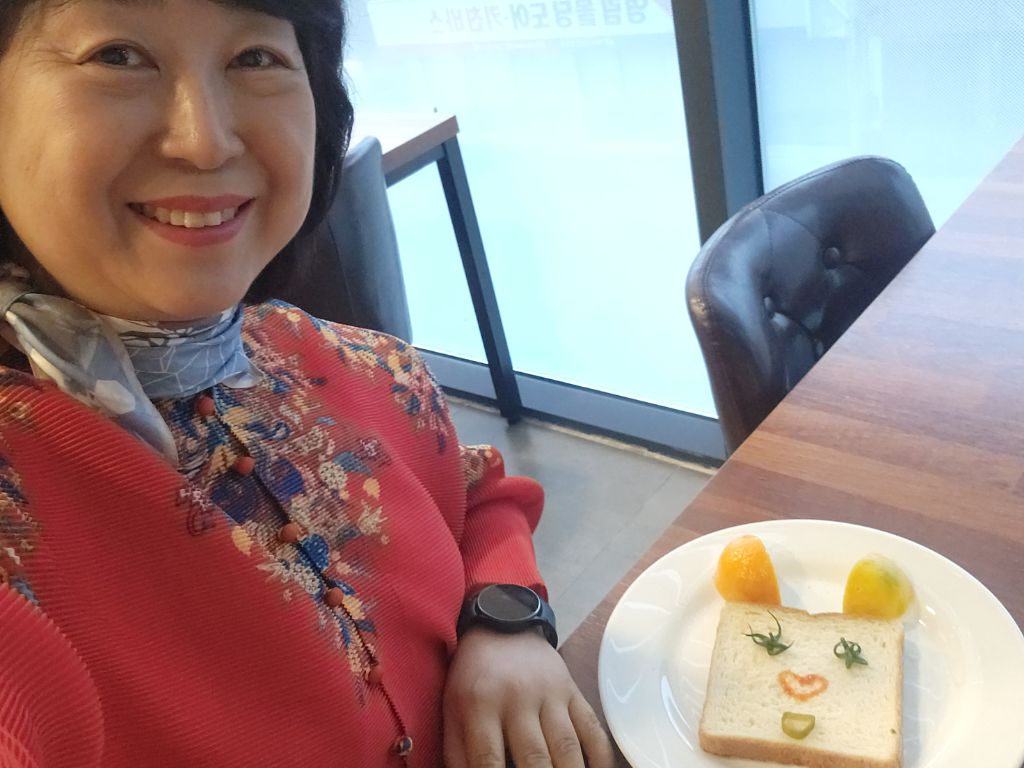
A flourishing life that blooms like a flower is not a life in which only I bloom well, but one in which, apart and together, we help each other bloom.
Noticing while awake (living consciously), accepting as I am (self-acceptance), taking responsibility for my life (self-responsibility), and sharing good influence with the world in my own voice (self-assertiveness) — I hope we become people like that.
Today's 5-minute self-assertiveness practice: On a plate, express with food one thing “I really want to say to the world.” Then ask yourself three questions: “Is this word awake? Does it respect you and me? Can I take responsibility for it?” If the answer is “yes” all three times, meet that word gently today and turn it over in your heart for a little while.
Closing
Tell your 2026 self, “Thank you for raising your voice,” and cheer on your 2027 self: “It's okay to speak as yourself.”
In the next story I will come back with the fifth pillar, “living purposefully: walking toward my dreams.”
In 2026, what voice did you raise for the world?
Healing Santa Kim Ji-yu
References: Nathaniel Branden, The Six Pillars of Self-Esteem, and writings on his official website; press coverage of Trend Korea 2027 by Kim Nan-do et al.; Healing Santa's blog post “Santa Grandma Ji-yu's fifth story on self-esteem: the practice of self-assertiveness” (2019); the 2026 activity records of the healing space Haengbok Yeolgi cafe
This story was first posted in the PuNolChi Mind Journey healing writing of the healing space Haengbok Yeolgi cafe.