Hello, this is Healing Santa, Kim Ji-yu.
After awake, conscious living and self-acceptance that embraces myself as I am, today we set out on a mind journey with the third pillar, “self-responsibility.”
Only a little over two months of 2026 remain. So this essay is a little special: I will ask myself and answer, “How responsibly did I live my life this year?”
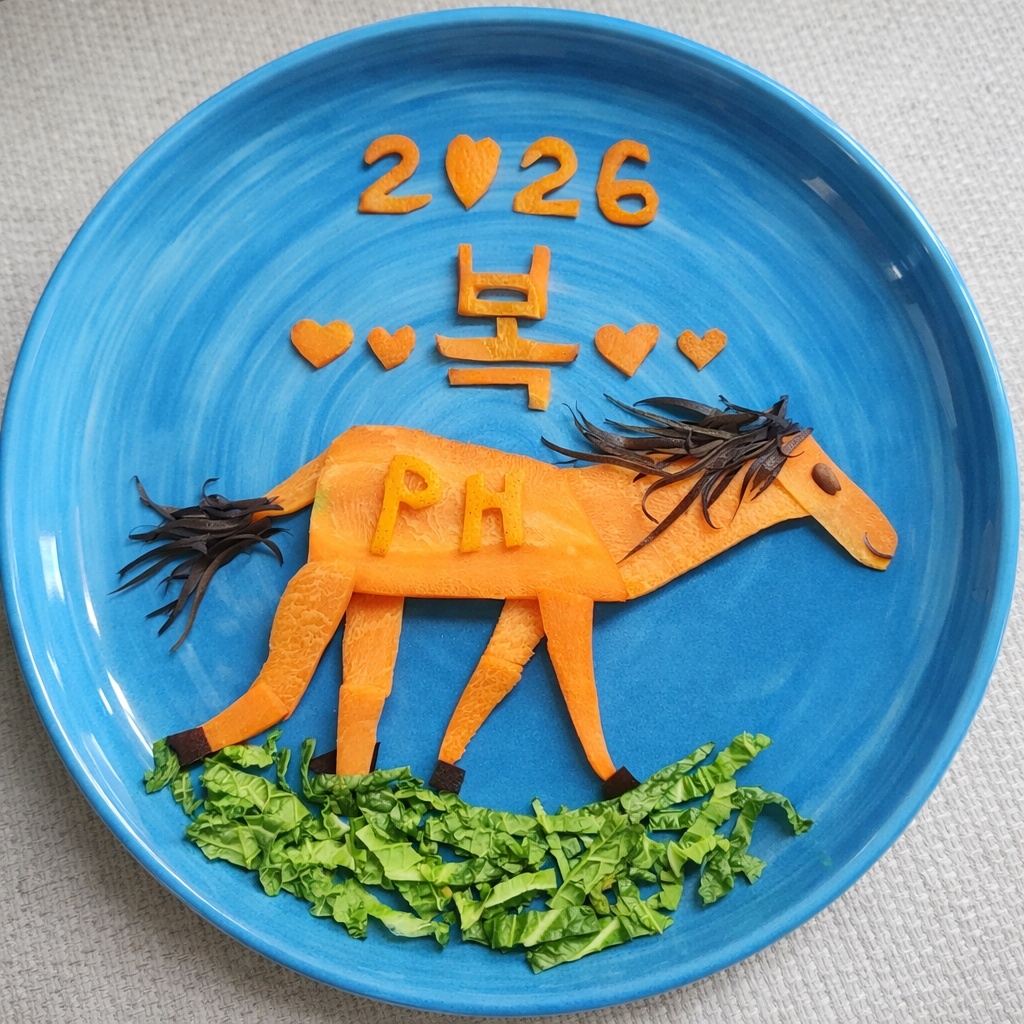
1. Nathaniel Branden's “The Six Pillars of Self-Esteem”
Nathaniel Branden, the American psychologist often called the father of self-esteem, believed that self-esteem does not arise by itself but is built on what we practice and do every day. So he named those practices “the six pillars of self-esteem.”
The six pillars of self-esteem
1. The practice of living consciously / 2. The practice of self-acceptance / 3. The practice of self-responsibility / 4. The practice of self-assertiveness / 5. The practice of living purposefully / 6. The practice of personal integrity
The first pillar was noticing what I am doing and feeling now, and the second was acknowledging and accepting the me I noticed, just as I am. The third pillar is taking that me along and stepping forward as the owner of my life.
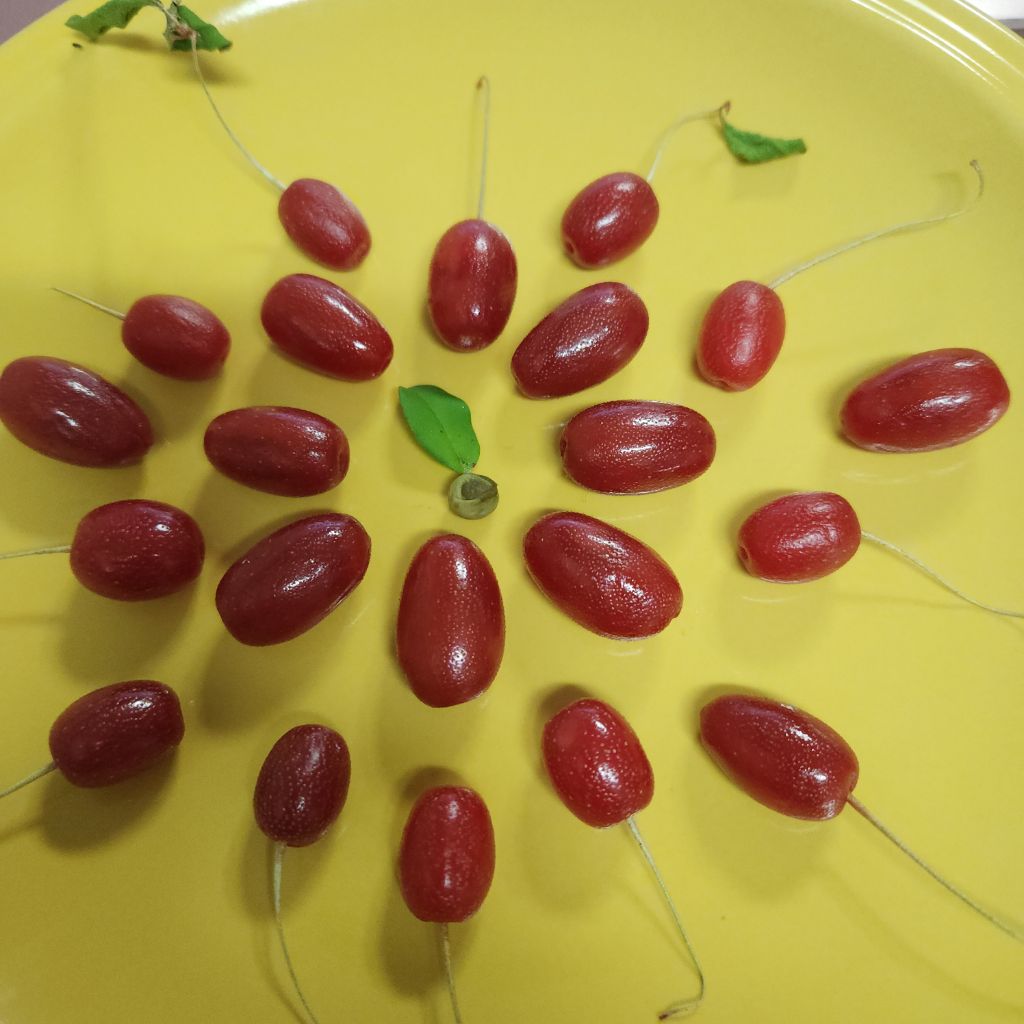
2. The third pillar: the practice of self-responsibility
Branden described self-responsibility like this:
“Realizing that I am the author of my choices and actions; that the fulfilment of my life must ultimately come from me; that no one is coming to fix my life for me, to make me happy, or to give me self-esteem.”
In January 2019, after a food expression happiness coaching workshop, in the quiet after everyone had left, I wrote this:
Self-responsibility is a promise to myself that I will bear and take responsibility for my own existence. No one else can raise my self-esteem for me. It does not come from others continually recognizing me either.
In childhood the roots of self-esteem grow under our parents' protection, but as adults we must take responsibility for ourselves every day and live as the lead in a life drama whose script we wrote ourselves. My joy, happiness, gladness, sadness and achievements — the responsibility for bringing them about lies with me.
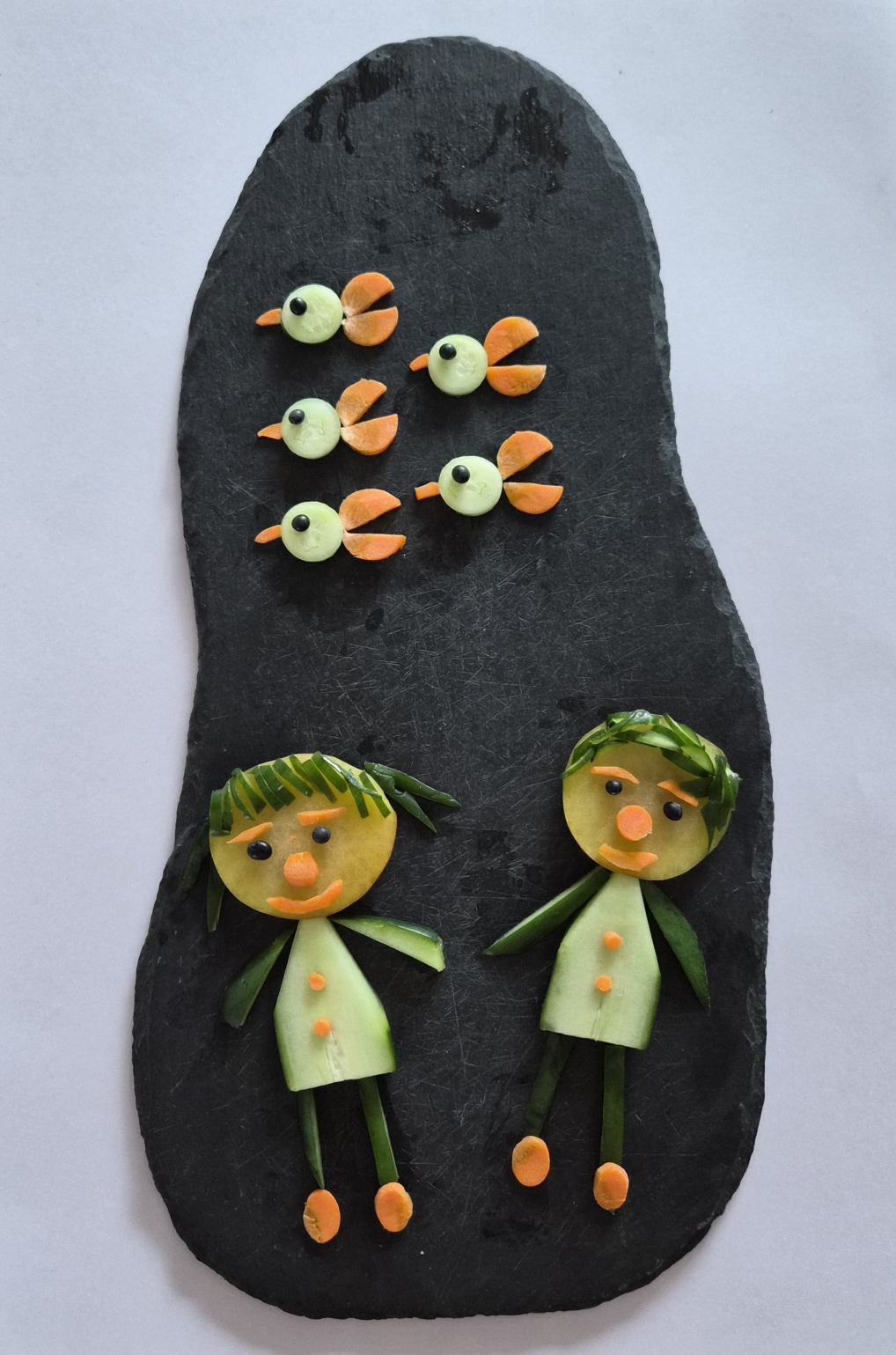
I quit the large company I joined after graduating from university after two months. The group tutoring for children I started at twenty-five grew into an academy, and with the money I earned I went back to the studies I wanted; it took 15 years to become a doctor. I still enjoy studying today.
Thanks to my mother, who trained me Spartan-style, I grew up like a roly-poly doll that gets back up every time it falls, and I could keep going until something worked.
After the traffic accident, whenever I talked with people for long or had to make my brain think hard, my dizziness and headaches got worse — and the doctors gave me homework: zoning out….
Self-responsibility was not something grand; it was not forgetting to zone out and let my head rest. Just as even the Diamond Mountains are best seen after a meal, I can only help others when I am healthy myself.
The more we avoid responsibility, the more our self-esteem is hurt. So the question of self-responsibility is always the same:
“What can I do right now, in this moment, to raise my self-esteem?”
3. Healing Santa's 2026: a self-responsibility diary
Carrying that question, I look back on the 2026 I have walked. Opening again the records I left day by day on the cafe, I see myself living very diligently, though imperfectly, and I am grateful.
I declared my dreams and never stopped learning. On New Year's Day I wrote “The PuNolChi Mind Picnic Declaration for Going Out into the World” and declared our dreams together with the teachers of the PuNolChi Academy top leaders' course. While studying research papers on adolescent slow learners and smartphone-addiction prevention, I designed PuNolChi programs, and I also returned to tending my heart in the Thomas Merton spirituality class.
We wrote together and shared together. I brought out the first book of Haengbok Yeolgi Publishing, author Kang Min-ju's Hearts Ripen at Grandma's House (할머니 집엔 마음이 익어가요), and met readers at a healing book concert. In March, after the association leadership's operating meeting, we set our mission for 2027, and two books based on Dr. Martin Seligman's PERMA, written together with President Kim Min-yong, Dr. Kang Min-ju and others — the 5-Minute Positive Table series (하루 5분 긍정밥상 1·2), a basic and an advanced volume — are getting ready to come out soon.
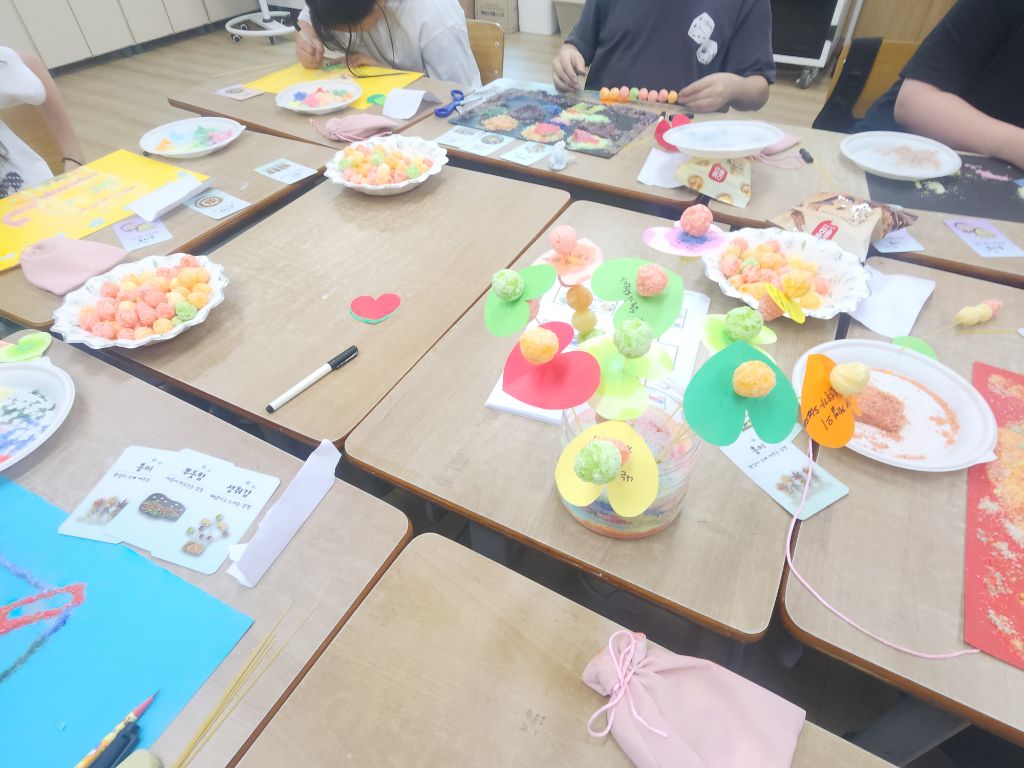
I met people in the field: a dementia-prevention lecture with “big sisters” in their 90s at Dapsimni Catholic Church, PuNolChi positive coaching with children at Galsan and Hongbuk elementary schools in Hongseong, PuNolChi healing-experience volunteering with citizens at Volunteeum in Yeouido Hangang Park, and parent coaching at the invitation of the Pyeongchang Office of Education.
I took care of my body and my family. In early May, an accident at Yeongdeungpo Station: climbing the stairs I bumped into the person in front of me, fell, and fractured my right arm (a T fracture). My partner went through acute myocardial infarction, from the emergency room to the intensive care unit, and with my whole body I learned that an uneventful everyday life is happiness itself.
Since then I have lived believing that caring for my body is also self-responsibility. In June I went on my 60th-birthday trip with my 91-year-old parents and took time to look back on my life.
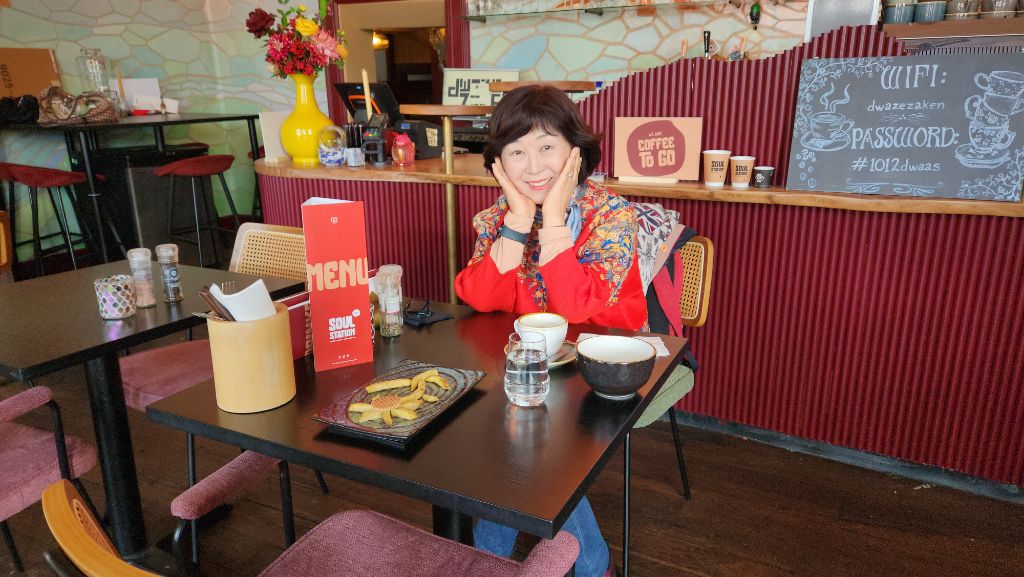
I took one more step out into the world. In mid-August in Düsseldorf, Germany, and in September in the Netherlands, I shared the PuNolChi Mind Table and saw for myself the possibility of going out into the world. My English was clumsy, but our hearts fully connected. Looking back on 20 years of Haengbok Yeolgi, which opened in 2005, I also carefully put the lecture records in order.
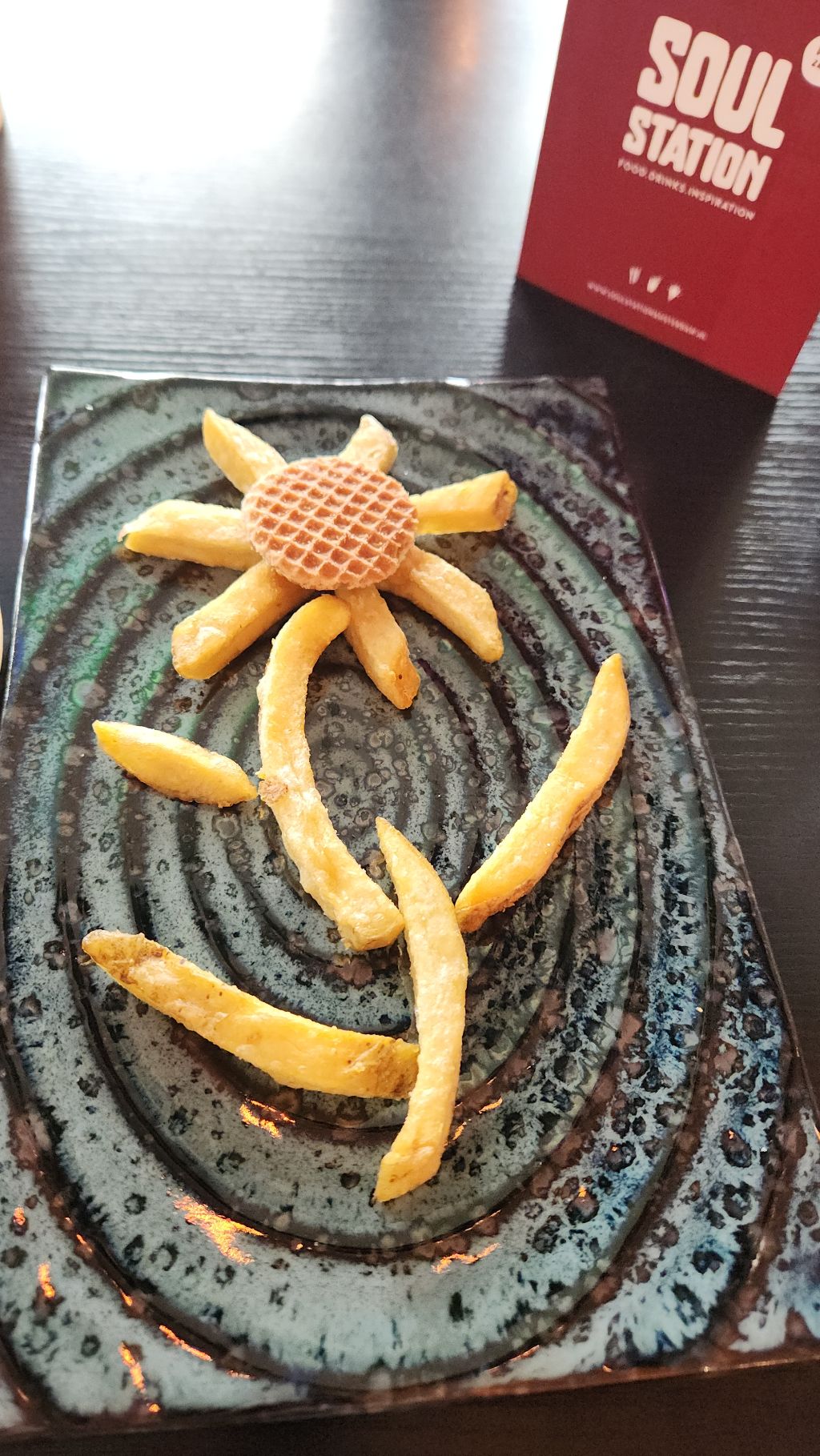
In October I attended the third graduation of the Nammyeong Academy and the Jinju International Forum on K-Entrepreneurship, engraving the resolve “Today, too, I do my work,” and I am preparing for next year while attending lectures on Trend Korea 2027.
Looking back, self-responsibility in 2026 meant not waiting for someone to make my life bloom for me, but doing the one small thing I can do today.
4. Self-responsibility meets the 2027 trends
Among the ten trends Trend Korea 2027 foresees for next year, some touch on self-responsibility:
Alpha Sheep, the first sheep out of the herd. Next year's slogan “Alpha Sheep” means not being swept along with the times like a flock, but breaking out of the herd first and putting our own ideas into action. Writing the script of my own life myself — that is self-responsibility.
The try-it economy: action over perfection. They say a trend is coming of trying first and fixing as we go, rather than waiting until we are perfectly prepared. Just as I shared PuNolChi in Europe even with clumsy English, a responsible person takes the first step instead of making excuses.
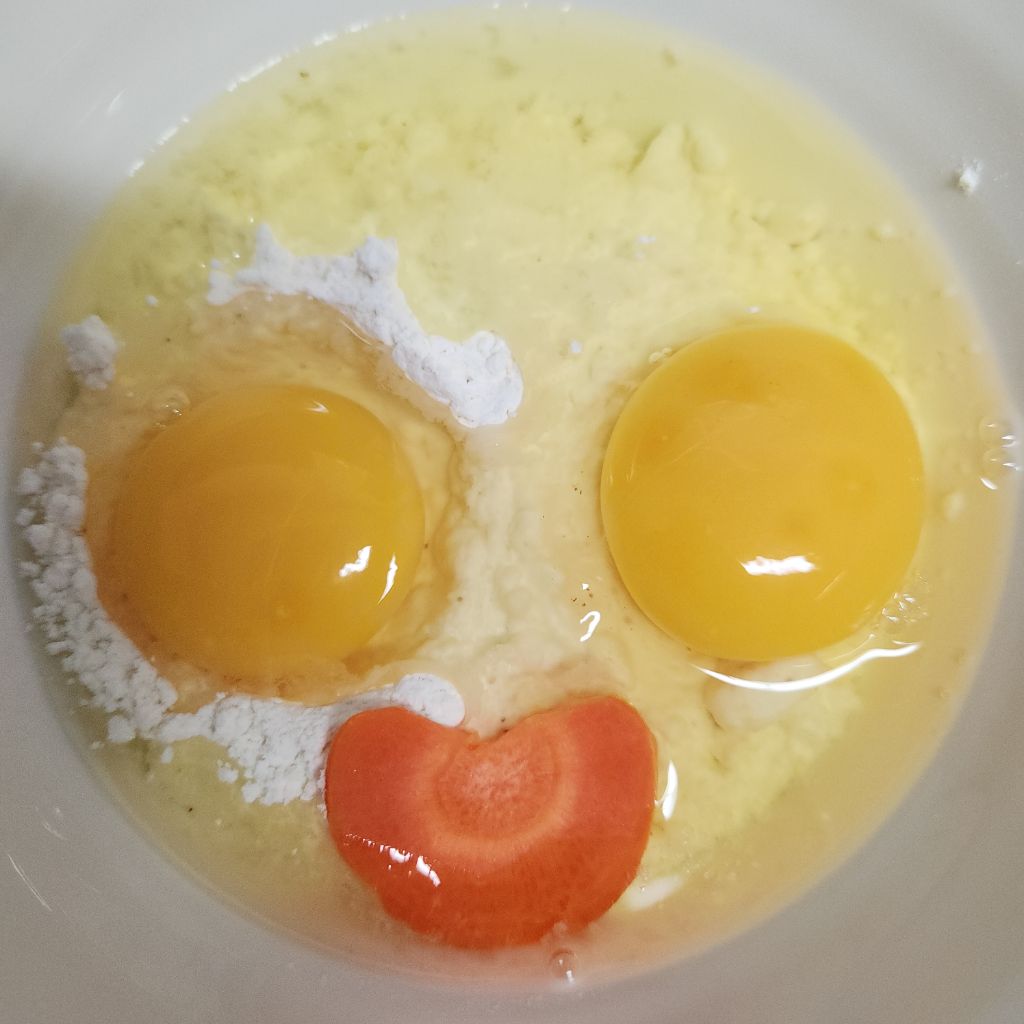
The boredom society: taking responsibility for my own joy. They say more and more people feel that stimulation overflows yet nothing is fun. Rather than waiting for someone to entertain me, I am the expert who knows what makes me glad — and the 5-minute PuNolChi Mind Table is a small practice of that.
Half signal: the script for the second half of life. In the age of living to 100, menopause is said to be not the end of life but a half-time to prepare for the second half. Having passed my 60th birthday, this is both a great comfort and homework for me. I will write the script for the second half myself too.
Discernment capital and the saving species: those who record grow. Professor Kim Nan-do said note-taking is important for developing discernment. Just as the day-by-day records I have kept on the cafe for 20 years helped me look back on my self-responsibility this year, recording is the most honest mirror of taking responsibility for myself.

5. Three pillars for a flourishing life
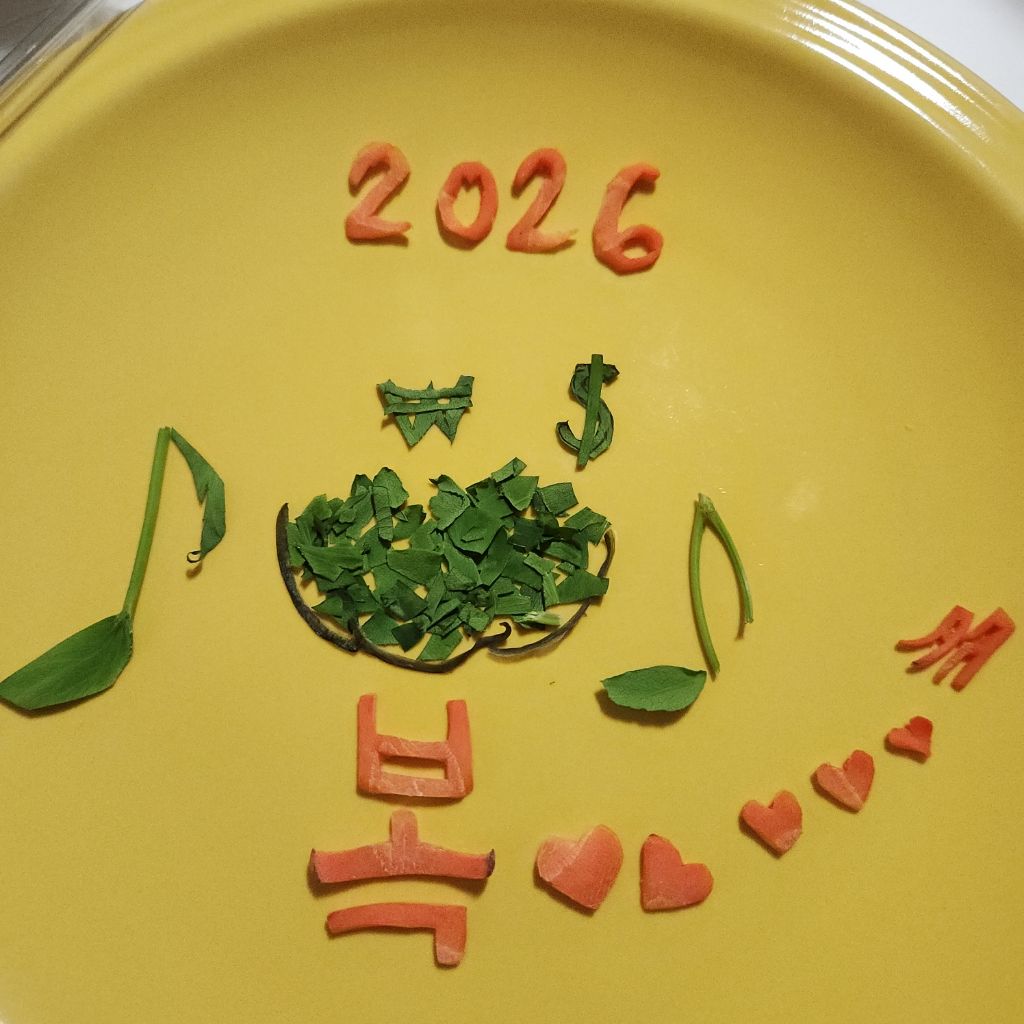
Flourishing — a life that blooms like a flower — does not arrive suddenly one day.
Noticing while awake (living consciously), accepting as I am (self-acceptance), taking responsibility as the owner of my life (self-responsibility)
When these three pillars stand together, we can bloom firmly even in shaky times.
Branden said that the faster the world changes, the more people need the power to lead themselves and take responsibility for themselves. I think 2027 will be exactly such a year.
Today's 5-minute self-responsibility practice: On a plate, express with food three things you accomplished this year. Then place beside them one flower you will take responsibility for and bring to bloom in 2027. Finish by reading this sentence aloud: “Today, too, I choose a day in which I love and cherish myself first.”
Closing
Tell your 2026 self, “Well done, thank you,” and cheer on your 2027 self: “You're the lead again this time.”
In the next story I will come back with the fourth pillar, “self-assertiveness: speaking and standing as myself.”
In 2026, what responsibility did you gladly take on for your own life?
Today I am heading to Seoul with my partner Raphael. We will meet Vice President Kim Eui-sik of All Nations University in Cambodia and his wife, and attend a Thanksgiving service at Myungsung Church. In the afternoon, a study session with the Thomas Merton spirituality research group at the Benedictine retreat house in Jangchung-dong. Believing that heaven's blessing will be with us today too, I set out with a grateful heart. Thank you~~ thank you~~ thank you~~~~
Healing Santa Kim Ji-yu
References: Nathaniel Branden, The Six Pillars of Self-Esteem, and writings on his official website; press coverage of Trend Korea 2027 by Kim Nan-do et al.; Healing Santa's blog post “Conversations with God 28. Improving Self-Esteem 4” (2019.1.27); the 2026 activity records of the healing space Haengbok Yeolgi cafe
This story was first posted in the PuNolChi Mind Journey healing writing of the healing space Haengbok Yeolgi cafe.