Hello, this is Healing Santa, Kim Ji-yu.
Nathaniel Branden's six pillars of self-esteem have come to an end, but Healing Santa's stories of self-esteem continue along with my life. Today, in the seventh story, I want to share my encounter with people-centered entrepreneurship, which widened my view.
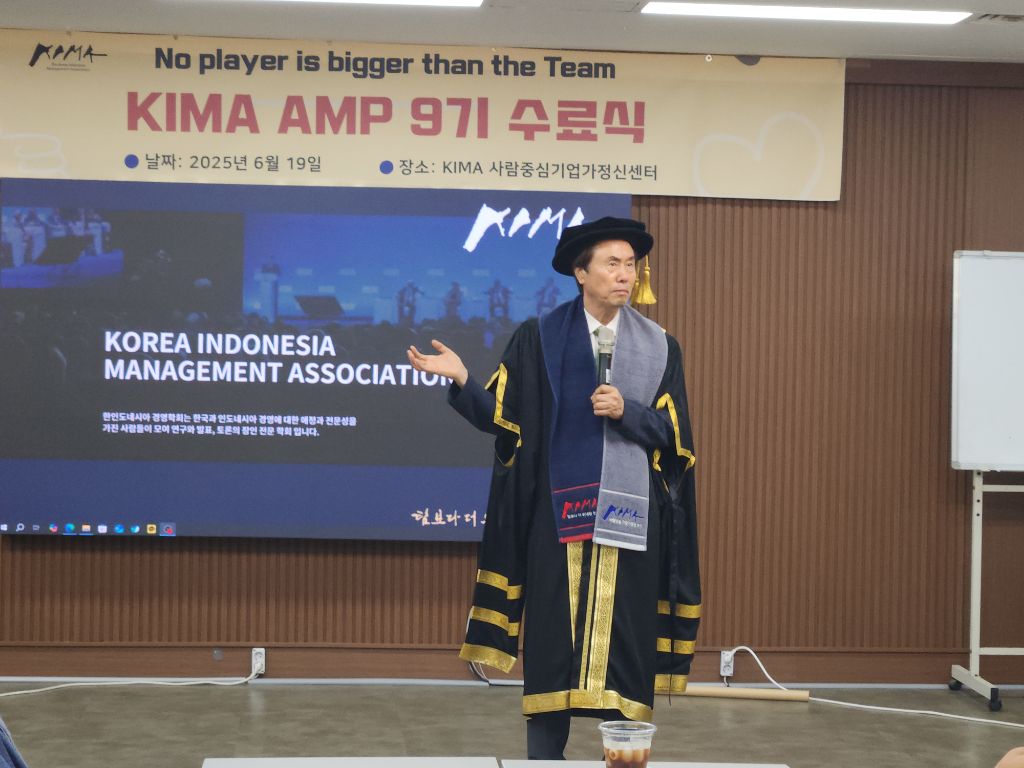
1. One step out of the well
After digging a single well in expressive arts psychotherapy for nearly 30 years, I met President Kim Ki-chan, received his mentoring, and chose a life that opens up my view.
In 2025, at the Korea–Indonesia Business Administration Society, I gave a 20-minute presentation exploring what possibilities Food Expressive Arts Therapy might have as K-healing. After hearing it, the professor suggested a path for PuNolChi to move forward as a model of education and healing.
To me, who had lived like a frog in a well, that advice was so welcome and so precious.
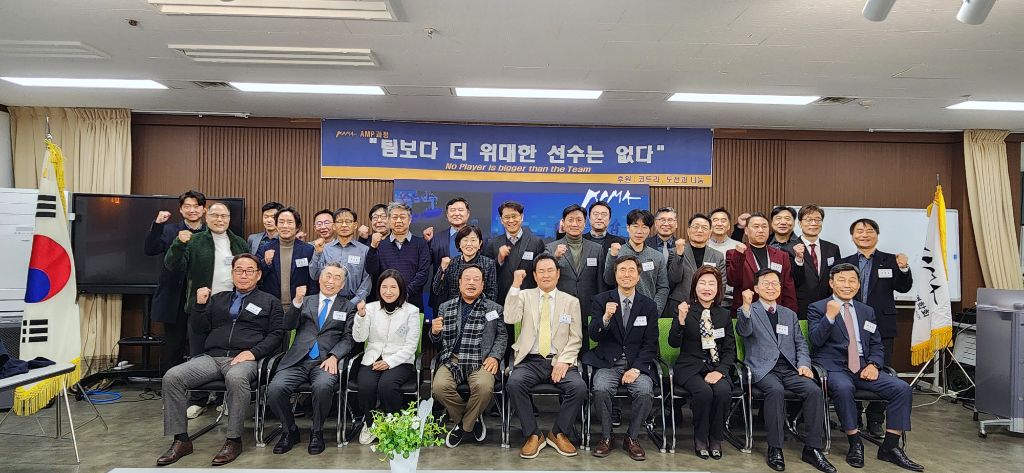
On February 27, 2025, joining the ninth cohort of the society's people-centered entrepreneurship course, I wrote this:
I, who have worked only in counseling, now want to go among people-centered entrepreneurs for a healthy world and explore what I can do for a healthy world and a beautiful global village.
And so the third round of Healing Santa Kim Ji-yu's life began.
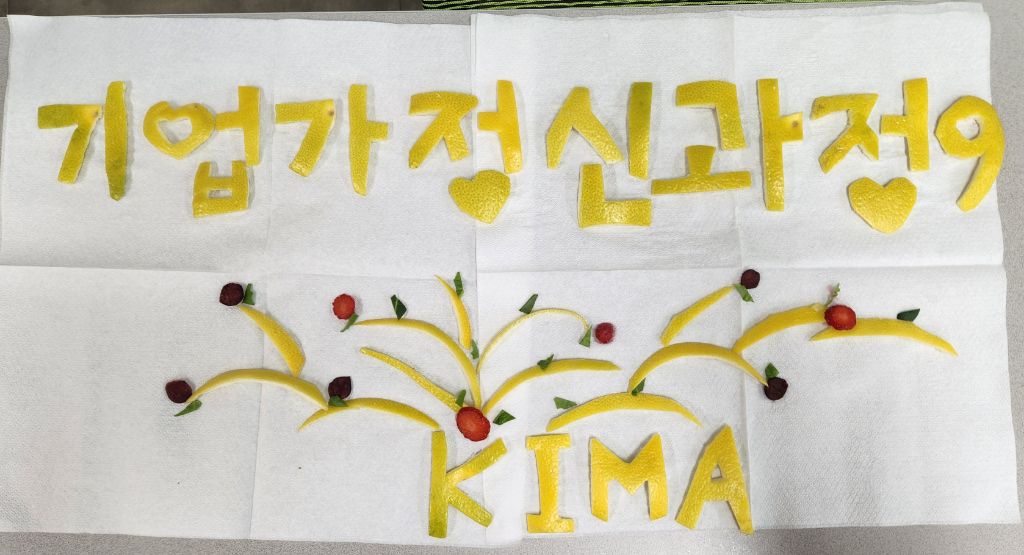
2. A connection that brings the world to life: people-centered entrepreneurship
I keep in my heart the words the professor shared as we finished the 15-week course.
In a turbulent environment, small and medium-sized companies must go beyond mere survival to adapt, innovate and lead. And at the center of that is the entrepreneur.
Innovation begins with people, and the entrepreneur is someone who moves people. So what we need today is leadership that brings people's potential to life.
The professor calls this philosophy people-centered entrepreneurship and spoke of three core values:
empathy — first understanding people's hearts; empowerment — giving people strength; people-growing practice — helping people achieve things for themselves.
The goal, he said, is not just to build strong companies but to raise better entrepreneurs who create a better society.
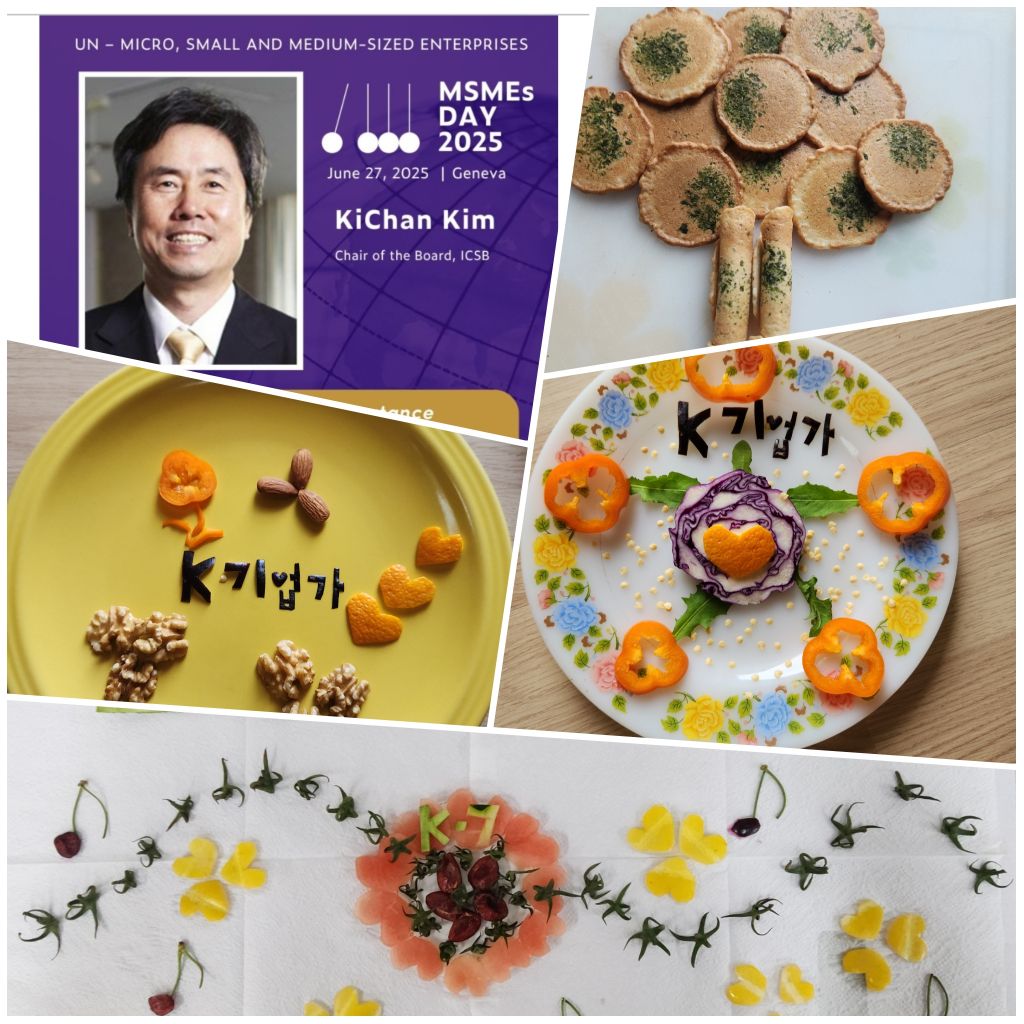
“I change first, then those around me change, and then the world changes.”
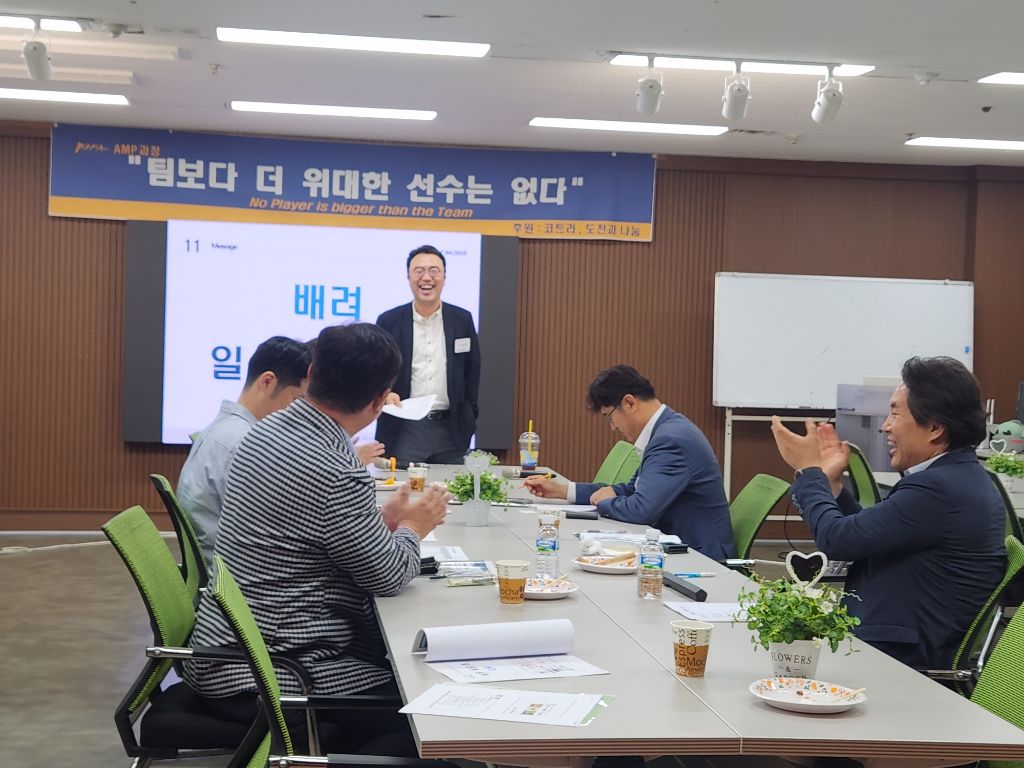
The ninth cohort's motto was “No player is bigger than the team,” and the words I heard in a special lecture — “An entrepreneur has three hands: the right hand, the left hand, and humility” — have stayed with me for a long time.
3. Where self-esteem and entrepreneurship meet
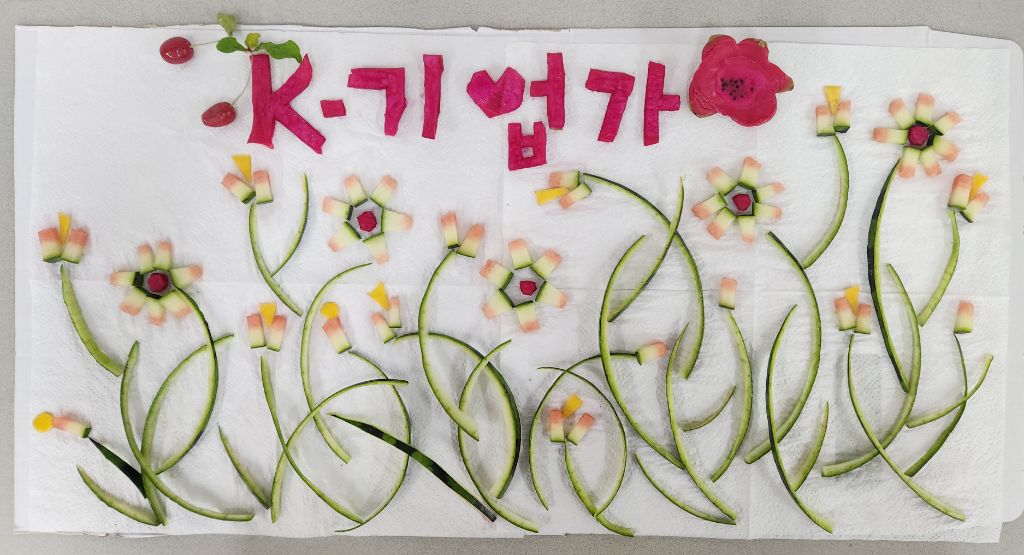
While writing the six stories of self-esteem, I rediscovered something. Long ago, Nathaniel Branden said that what organizations need in a fast-changing world is the power to think for oneself, self-trust and the initiative to step forward — in a word, self-esteem. Self-esteem is a matter of the heart, and at the same time a power that brings work and community to life.
Seen that way, the three values of people-centered entrepreneurship closely resembled the six pillars of self-esteem.
Empathy begins with self-acceptance, accepting myself as I am. Only someone who can embrace themselves can embrace others.
Empowerment touches self-responsibility and self-assertiveness. Someone who has stood as the owner of their own life can help others stand as owners too.
People-growing practice is the fruit of living purposefully and personal integrity: growing one person's potential together to the end, not only with words but with time and action.
And the starting point of all of this was the moment I realized, “I was in a well” — the very first pillar, living consciously.
Admitting my shortcomings (self-acceptance), choosing a new path myself (self-responsibility), raising my voice through a 20-minute presentation (self-assertiveness), setting a direction for the world (living purposefully), and striving to turn what I learned into life (personal integrity). The third round of my life has been a time of learning the six pillars of self-esteem again through life.
4. From K-FEAT to global PuNolChi
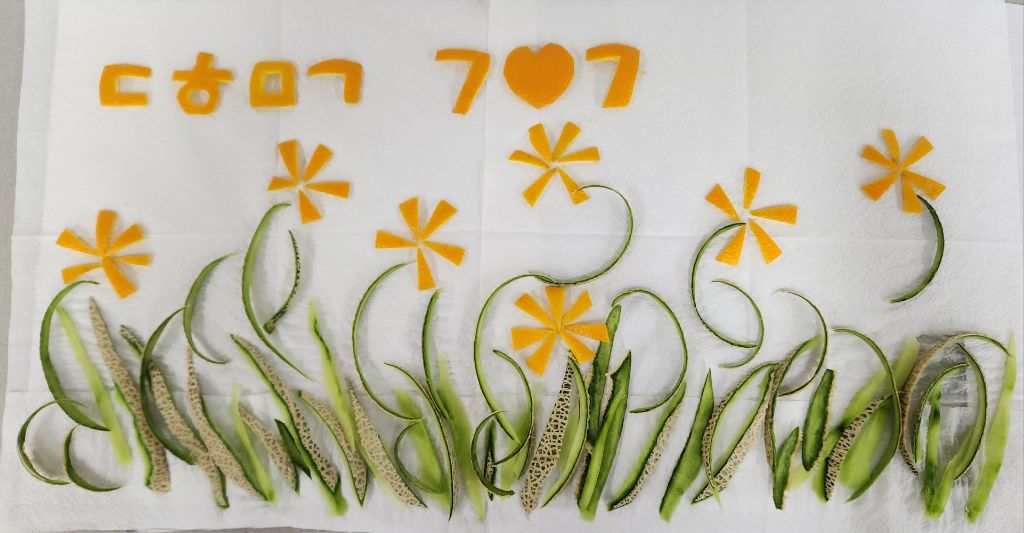
The world is wide and there is much to do. The Korea Food Expressive Arts Therapy Association (K-FEAT), begun to cooperate for a healthy and beautiful world, is now preparing to leap forward as global PuNolChi for the health of the global village.
Behind it is the people-centered entrepreneurship I am learning from Professor Kim Ki-chan.
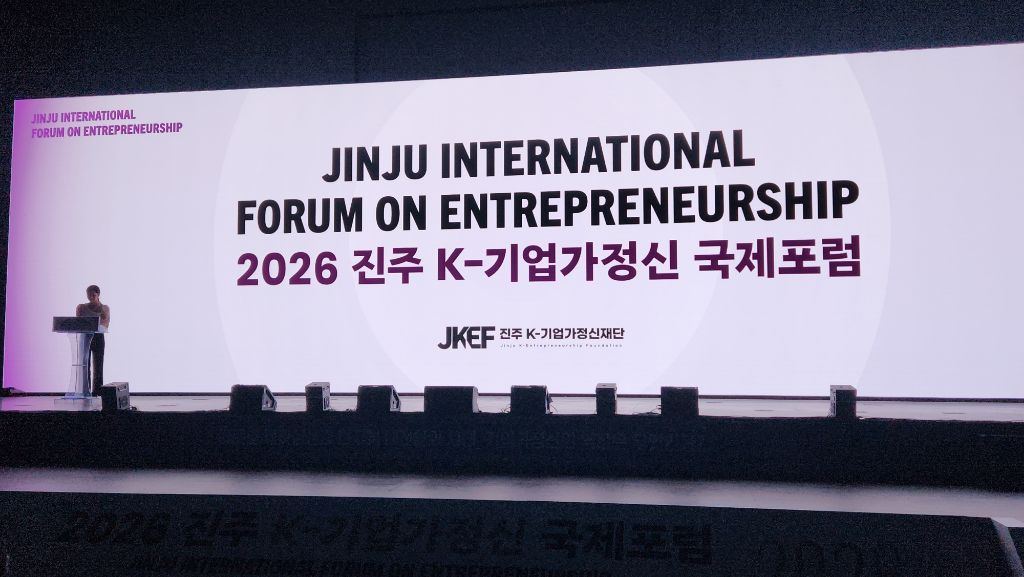
That learning continued in 2026. Completing the third cohort of the Nammyeong Academy and joining the Jinju International Forum on K-Entrepreneurship, I once again took to heart the professor's words “Beyond GDP to GDH,” which ask not about the quantity of production but about how happily people have come to live.
I believe entrepreneurship does not belong only to those who build big companies, but to everyone who quietly does the work of bringing people to life where they stand. Even a single table that cares for one person's heart can be a small innovation that changes the world.
5. Today's 5-minute Mind Table
One. Place a small bowl to stand for “my well,” where I am staying now. Two. Draw a path leading out of that well with vegetables or fruit. Three. At the end of that path, let the people you want to bring to life bloom like flowers.
And ask yourself: “If I change first, who around me will bloom with me?”
Closing
To President Kim Ki-chan, who opened the door to learning and gave me a vision to leap toward the wide world, I offer my deep respect and gratitude.
Self-esteem is the power that builds me up, and people-centered entrepreneurship is the connection that, with that power, brings other people and the world to life. Apart and together, I hope we become people who share good influence, as much as we can, each from where we stand.
Who was the encounter that widened your view in your life? With gratitude, I sincerely cheer for all of us, shining together.
Healing Santa Kim Ji-yu
References: Professor Kim Ki-chan's writing “People-Centered Entrepreneurship”; records of the opening and graduation of the ninth cohort of the Korea–Indonesia Business Administration Society's people-centered entrepreneurship course (2025); writings on Nathaniel Branden's official website; records of the healing space Haengbok Yeolgi cafe
This story was first posted in the Healing Santa's life of learning, loving and sharing of the healing space Haengbok Yeolgi cafe.