“How can people flourish?”
Hello, this is Healing Santa, Kim Ji-yu.
I am grateful to learn from President Kim Ki-chan and outstanding professors of management at the Nammyeong Academy. Above all, I am grateful that, while learning so much about human-centered entrepreneurship, I can deepen my research on the PuNolChi Mind Table that helps everyday life.
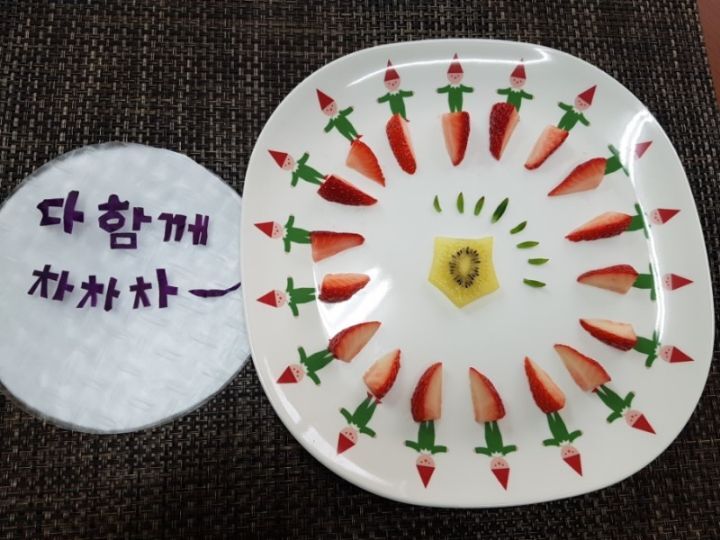
This morning I read a post President Kim Ki-chan shared in our group chat and took time to weave it together with PERMA from positive psychology, which I have studied for 15 years, into one program. I also thought about how PuNolChi could make a small contribution to the Human-Centered Experience Institute (HXI) of Etoday, where President Kim Ki-chan has taken office as director.
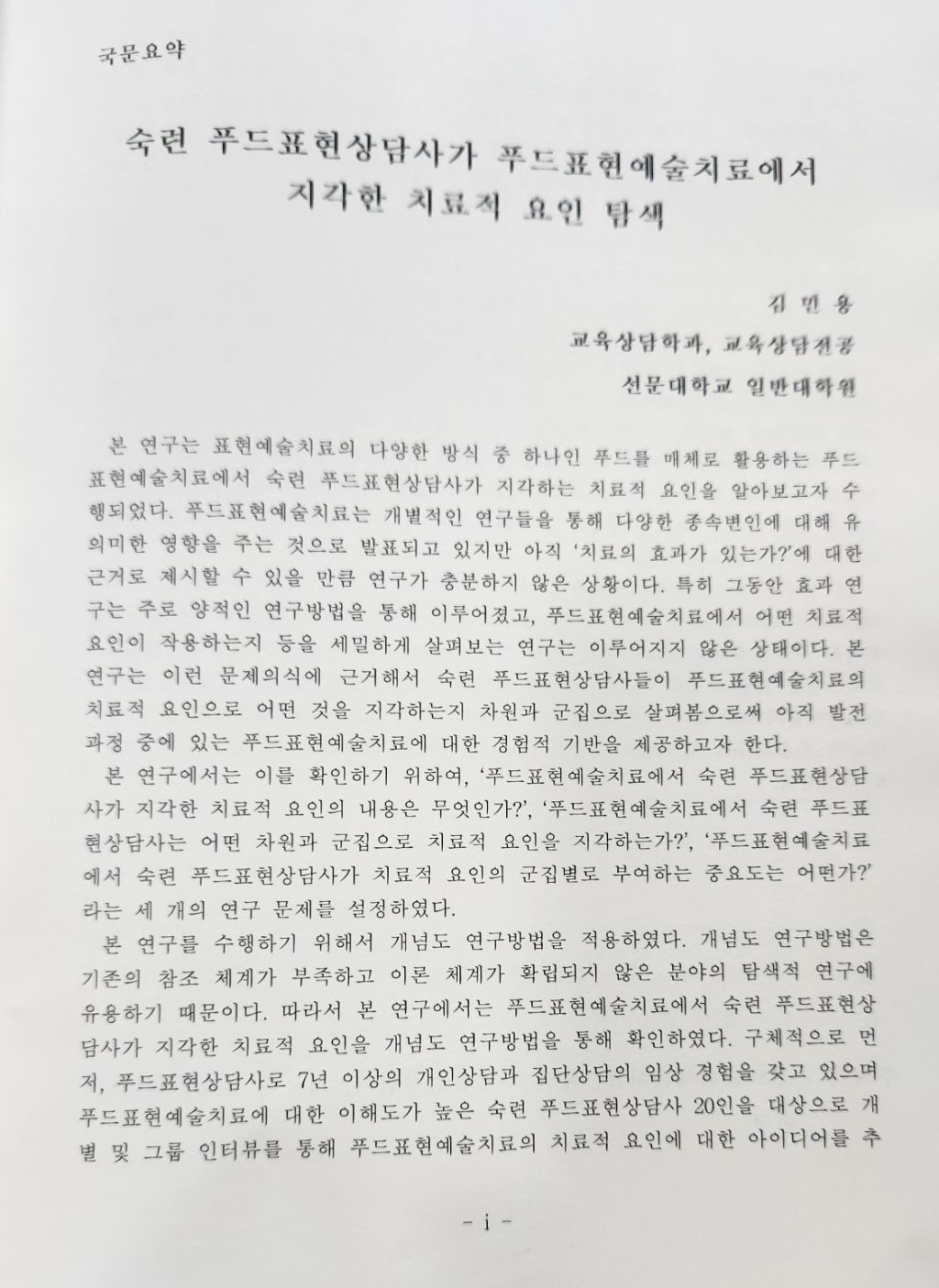
My conviction that Food Expressive Arts Therapy, carried on for 20 years, works therapeutically for people with psychological difficulties has been supported by Dr. Kim Min-yong’s doctoral dissertation. I look forward to more papers on its therapeutic outcomes.
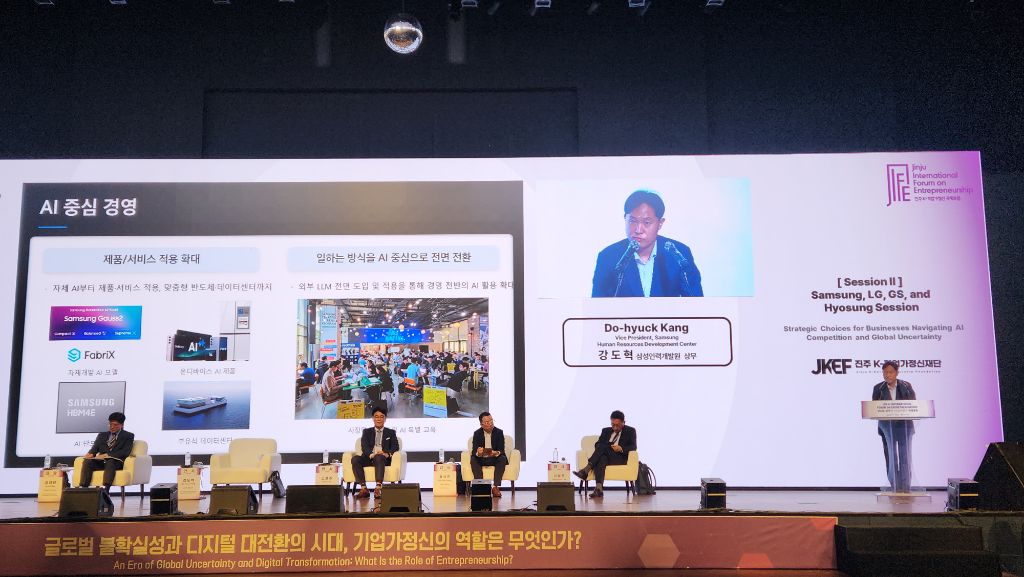
Now I am spreading the PuNolChi Mind Table movement, based on food expressive arts, to the general public, so that people can stay healthy while they are healthy and live beautiful lives. I was also grateful to learn and reflect so much at the Jinju International Forum on K-Entrepreneurship last October.
1. Human flourishing, learned from President Kim Ki-chan
The president says we should make flourishing, that is, human prosperity in which people live by bringing their potential into full bloom, the goal of companies and of the nation.
As the five conditions for that flowering, I have practiced for 15 years the PERMA described by Martin Seligman, the founder of positive psychology: the five pillars of well-being, positive emotion, engagement, relationships, meaning and accomplishment. That is why the president’s words were all the more welcome and stayed with me for a long time.
“Korea has learned how to make companies flourish. Now it must learn how to make people flourish within those companies.”
Before asking individuals to “be happy, be engaged,” the workplace must first create the soil of the 3E: Empathy, Enablement and Empowerment.
If PERMA is the experience of people flourishing, the 3E are the workplace soil in which that flower blooms.
2. HXI: “Are they coming to work with their hearts, too?”
HXI is an institute that seeks good companies as described not by the companies themselves but by employees’ experience. Employees answer a three-minute anonymous survey on empathy, enablement and empowerment, and in 2027 the institute plans to announce the “30 companies young people want to work for.”
The president’s question touched my heart: “Are young people coming to work not only with their bodies but with their hearts?”
The president also asks us to change the question we ask about young people: not “Why is this young person lacking?” but “What is this young person good at?” This question resembles the one I have asked before plates filled with people’s hearts over 20 years of researching Food Expressive Arts Therapy.
3. My 15-year PERMA journey
I still remember the astonishment in the seminar hall in the mid-2000s, when Dr. Martin Seligman came to Korea and showed how much he had changed since positive psychology. From then on, positive psychology became a firm root of my Food Expressive Arts Therapy.
- 2017
I prepared a short paper on PERMA.
- 2019
I learned positive psychology directly from Dr. Woo Mun-sik.
- 2021
I finally completed the positive psychology specialist course, which I had once paused because of the after-effects of a car accident. Along the way, I also renamed the “Haengbok Yeolgi Psychology Institute,” the name I had used for 15 years, to “Healing Space Flourish.”
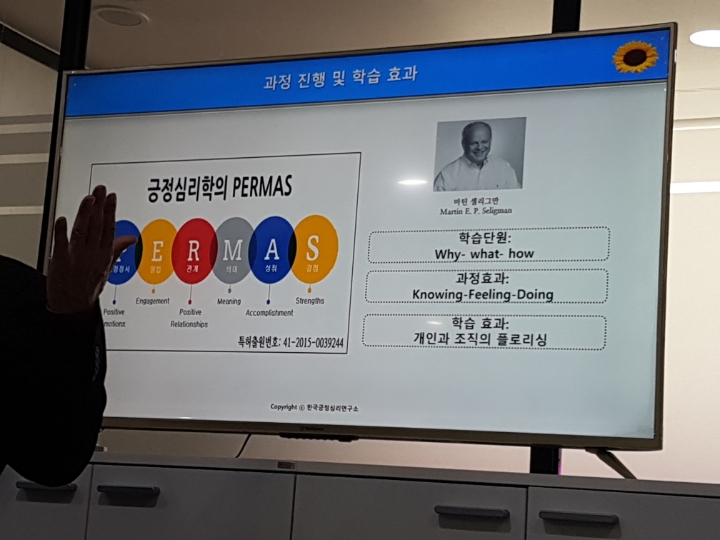
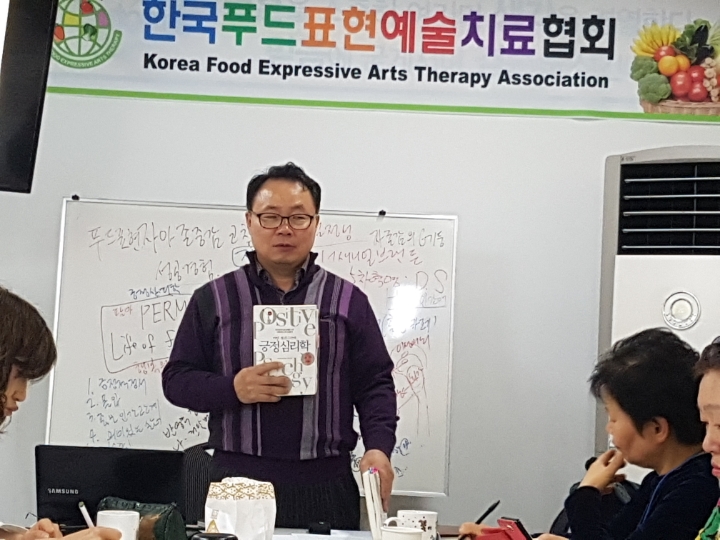
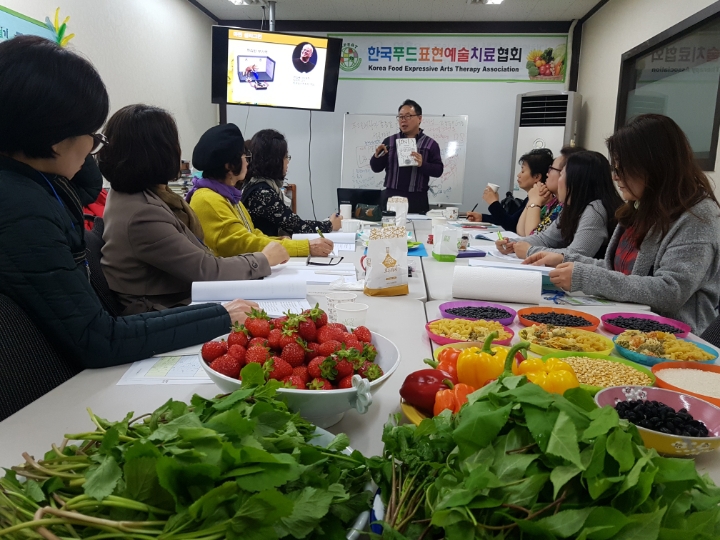
President Kim Min-yong compared well-being to a building and lectured on the five pillars of PERMA and the strengths that support them, and we learned that theory with our bodies on the plate.
4. Flourishing that bloomed in the lecture room
- 2018 Gunsan
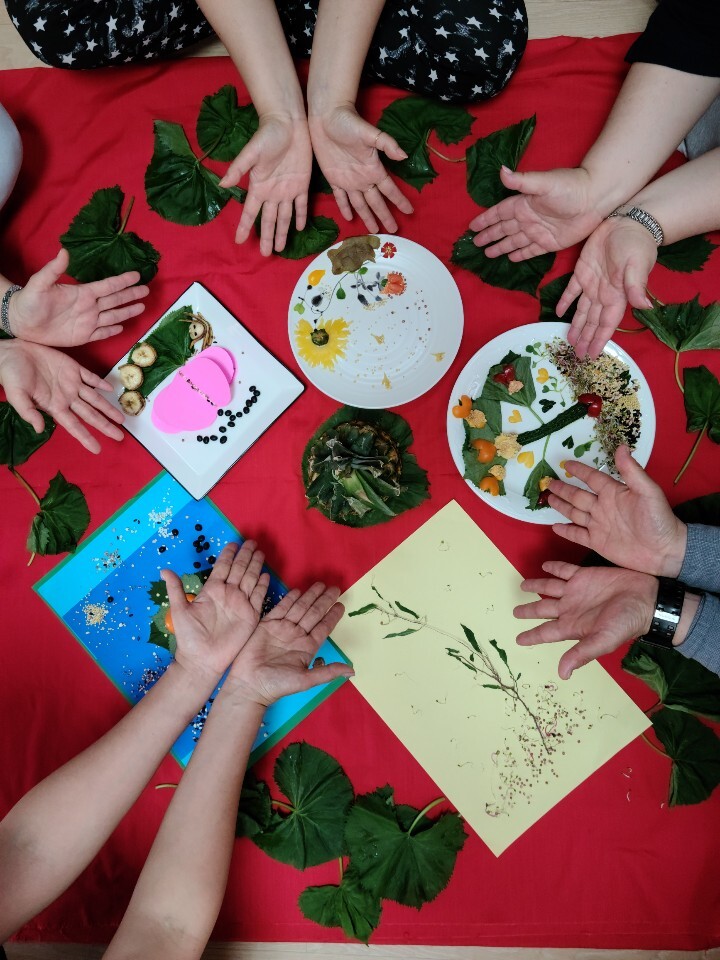
The full bloom of happiness, flourishing. We expressed our own flourishing state and used food to find our strengths and our children’s strengths.
- 2020 Gongju Hanok Village
A flourishing Haengbok Yeolgi. Awareness, emptying and filling, apart and together. On the wooden floor of a hanok, we opened our hearts looking at each other’s plates.
- Cooking with PERMA
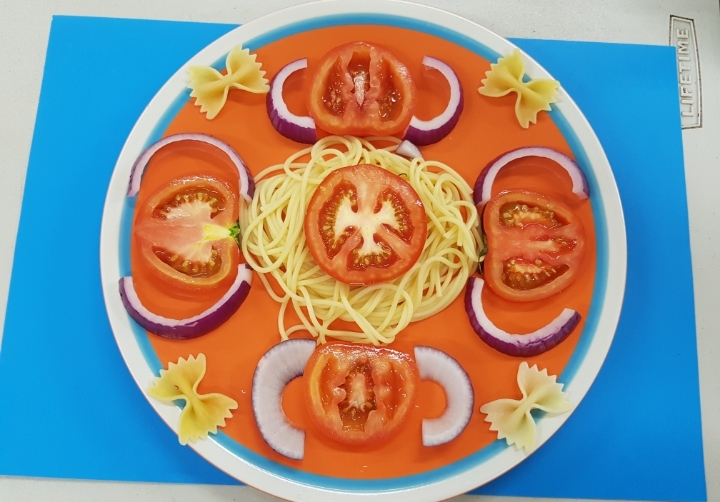
Into one plate of happiness spaghetti we layered positive emotion and engagement, relationships, meaning and accomplishment.
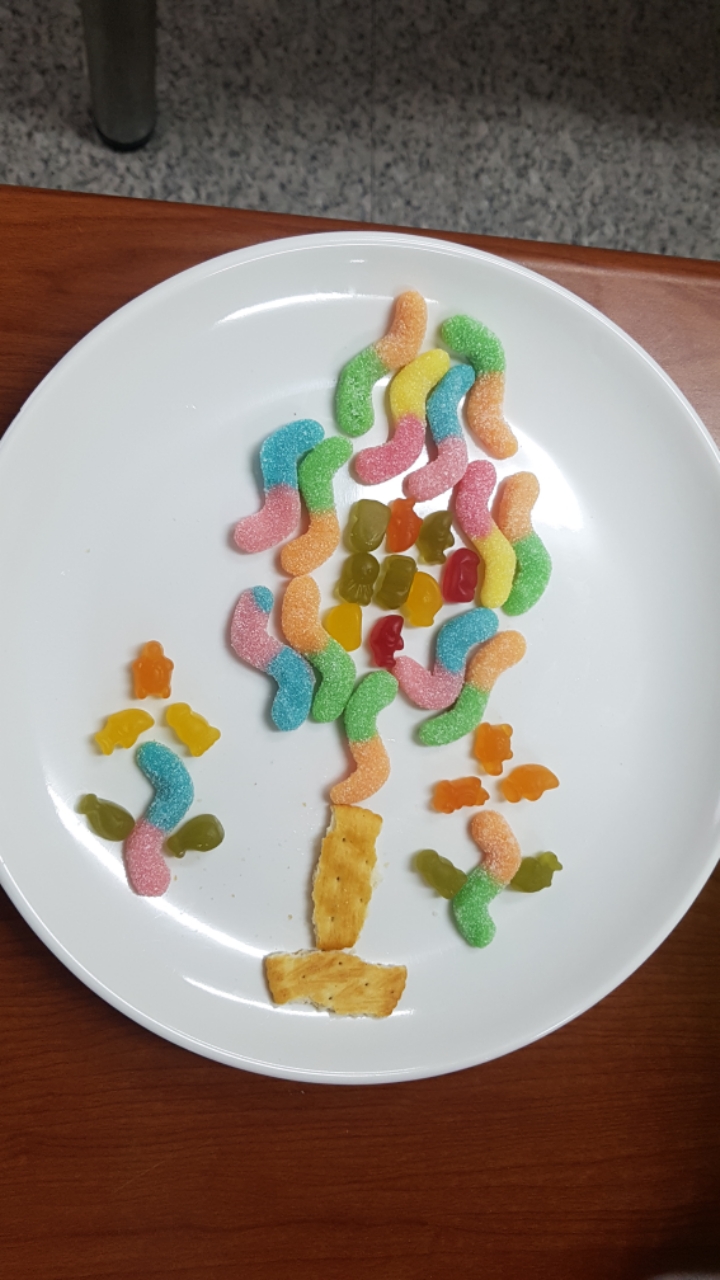
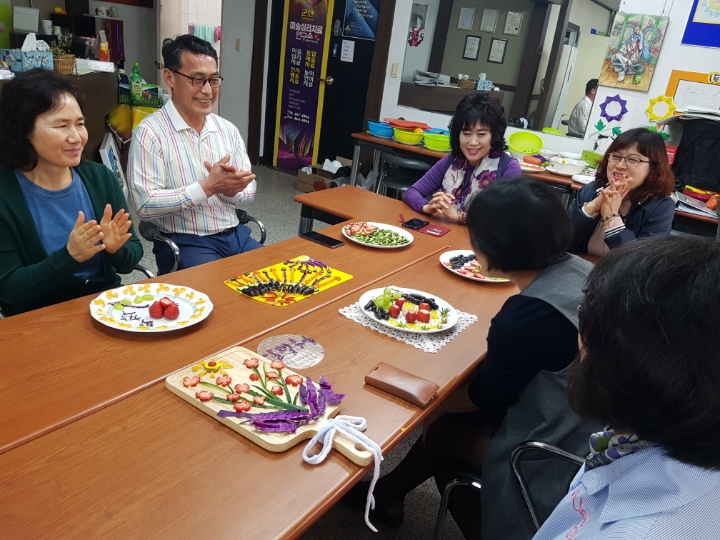
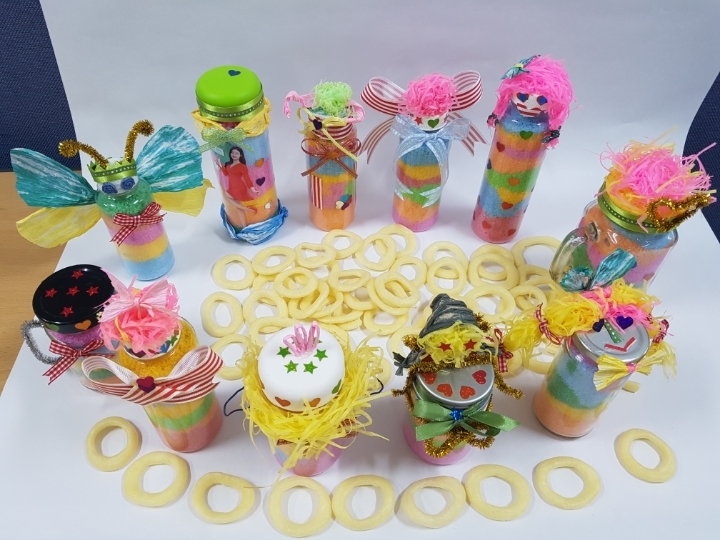
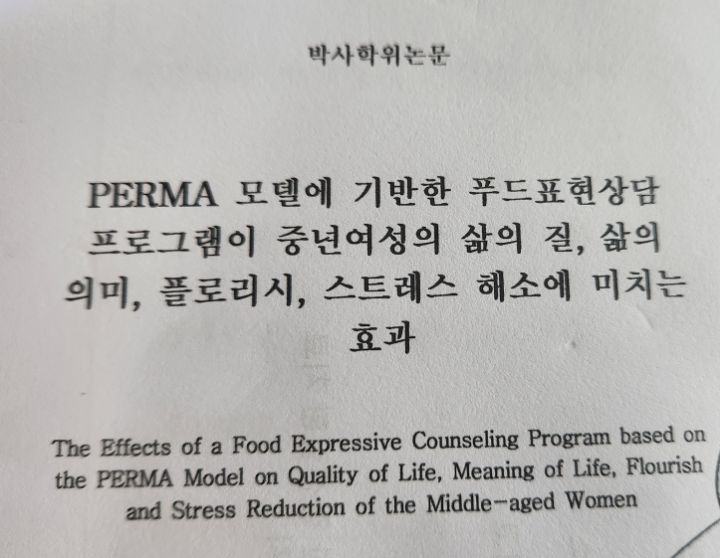
Flourishing also led to research. In 2022, Lee Kyung-suk, head of the Gyeongnam branch, received a doctorate with “The Effects of a Food Expressive Counseling Program Based on the PERMA Model on Quality of Life, Meaning of Life, Flourish and Stress Reduction of Middle-aged Women.” It was a great joy for the association.
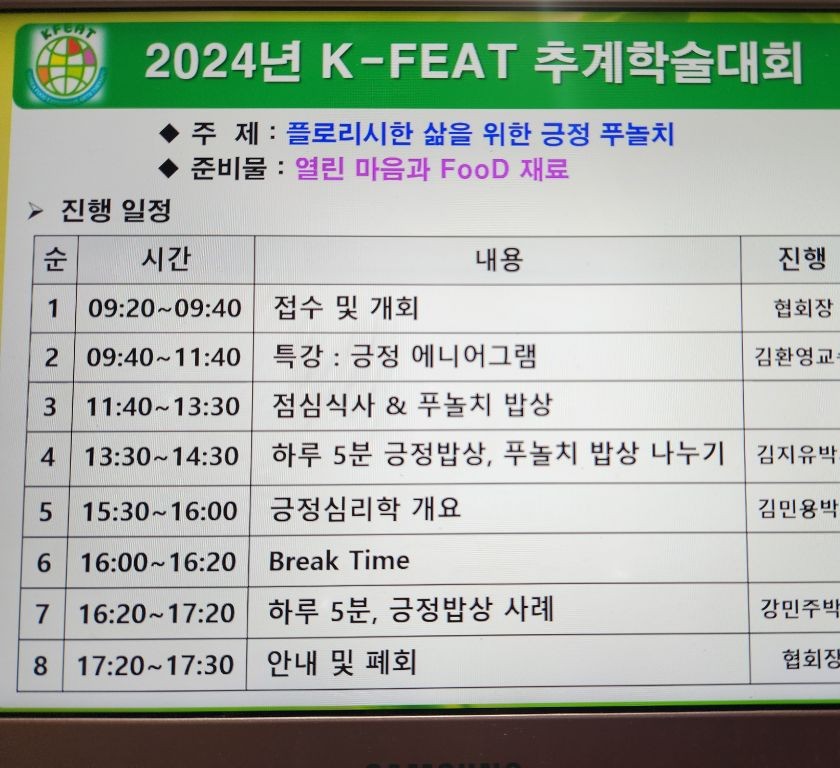
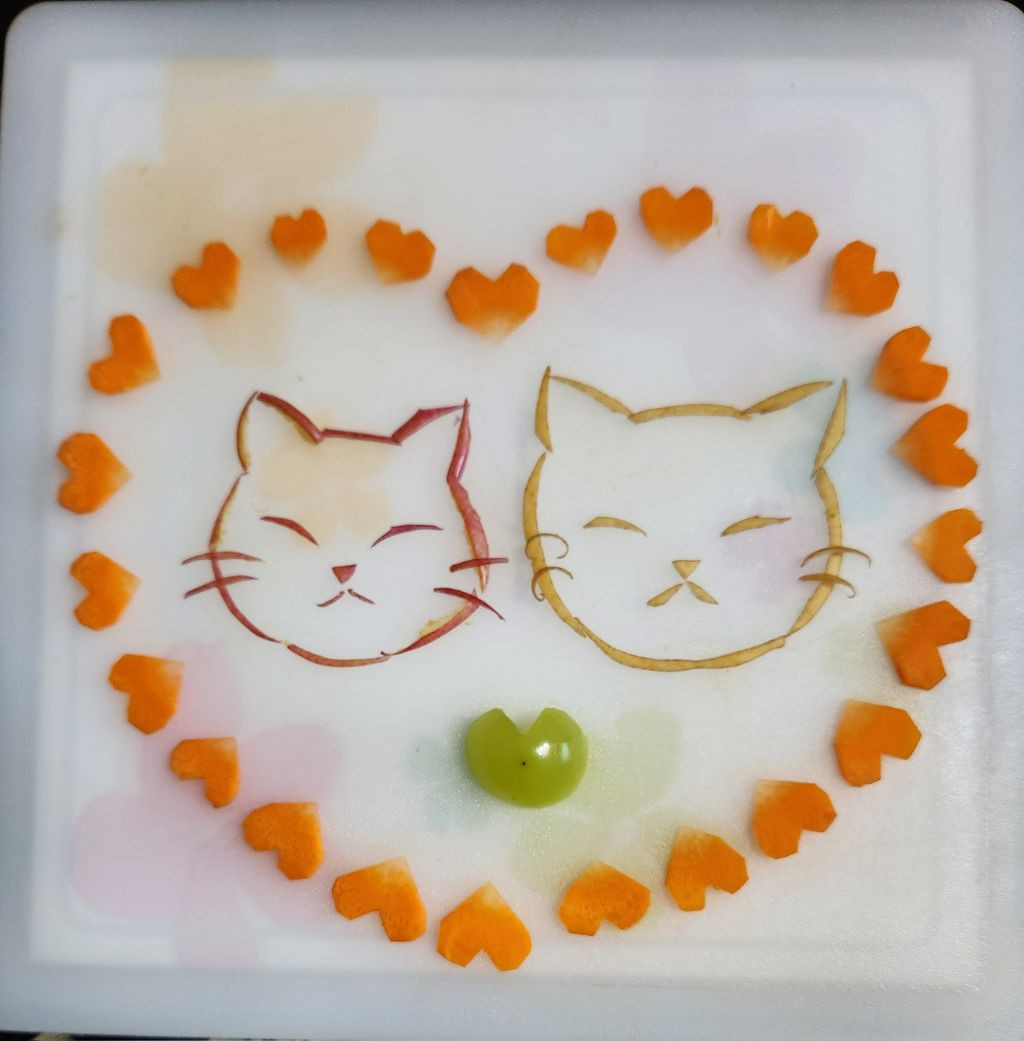
At the association’s 2024 autumn conference, we shared the healing art of living based on positive psychology, the five-minute-a-day Positive Table, and that Chuseok I wrote PuNolChi self-reflection notes with my nieces and nephews on “accomplishment” and “meaning” from PERMA.
5. The program I wove this morning
“A Workplace Where People Flourish: The PuNolChi Mind Table,” 3E × PERMA × five-minute-a-day PuNolChi. I took the president’s 3E as the workplace soil, PERMA as the flower that blooms on it, and the PuNolChi Mind Table as the water given every day.
- Step 1 · The empathy table
Empathy × positive emotion and relationships. With a first plate on “How is my heart today?” we share our inner weather, then draw listening, empathy and consideration cards for a relay of praise between colleagues. Being respected opens positive emotion and trust.
- Step 2 · The strengths table
Enablement × engagement. Using 52 PuNolChi positive cards drawn from the six virtues of positive psychology, each person finds two signature strengths and expresses them on a plate. Engagement begins when we discover “what I am good at.”
- Step 3 · The trust table
Empowerment × meaning and accomplishment. Instead of set ingredients, we use ingredients we choose ourselves to lay out “the work I want to take on, the picture our team wants to achieve.” A plate we chose ourselves becomes an experience of meaning and accomplishment in work.
- Step 4 · A five-minute daily habit
Me, us, work. We take out 36 strength-sentence cards, divided into my energy (self-care), our synergy (psychological safety) and the drive of work (execution), at the lunch table and in the first five minutes of meetings.
If we work with HXI
6. This is how I would like to help
HXI says it will “find, measure and change.” PuNolChi would like to be a small experiment in the “changing” part.
Twenty years ago, when I first placed my heart on a plate, and fifteen years ago, when I first met PERMA, my question was the same: “How can people flourish?”
Now, as that question meets the president’s human-centered entrepreneurship, I see a path leading from the personal dining table to the workplace table, and from the workplace to the prosperity of the nation.
My deep thanks to President Kim Ki-chan, who teaches human-centered entrepreneurship; to my fellow students and teachers at the Nammyeong Academy; and to the teachers of the Korea Food Expressive Arts Therapy Association, who have made PERMA bloom on plates with me for 15 years.
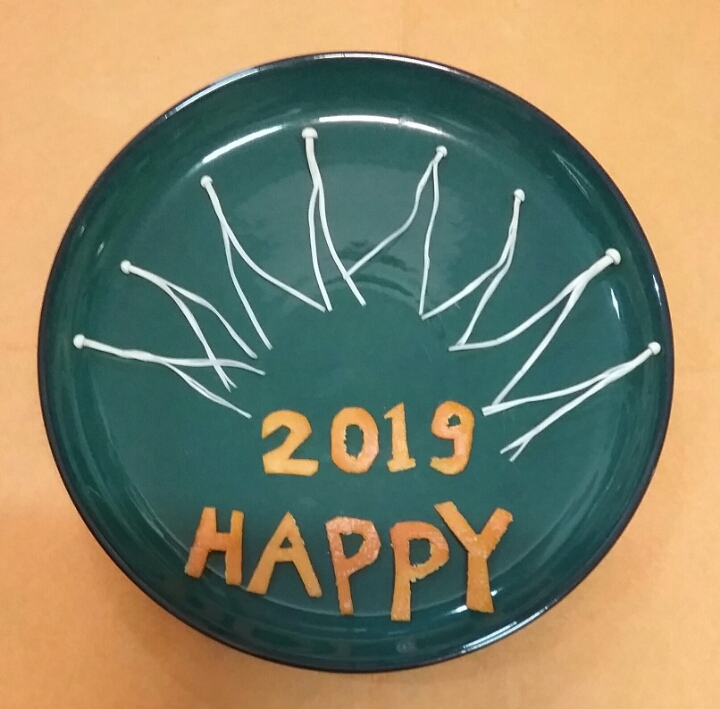
A workplace where people flourish begins on the dining table, five minutes a day.
With love, Healing Santa Kim Ji-yu
This story was first posted in the Haengbok Yeolgi activity news board of the healing space Haengbok Yeolgi cafe and was edited for this page.