Hello, I am Healing Santa, Dr. Kim Ji-yu, who wishes to help create a healthy and beautiful world through the psychology on the dining table, the PuNolChi Mind Journey.
In the last essay we shared Nathaniel Branden's first pillar, “awake, conscious living.” Today we set out on a mind journey with the next step: “self-acceptance, embracing myself as I am.”
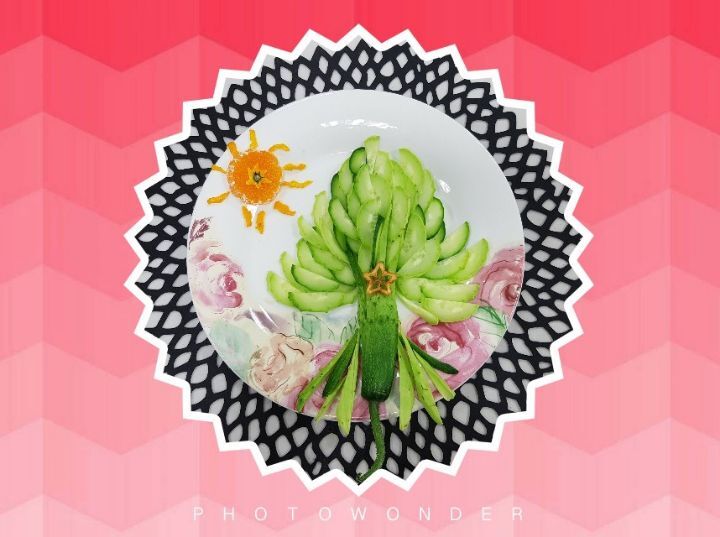
1. Nathaniel Branden's “The Six Pillars of Self-Esteem”
Nathaniel Branden, the American psychologist often called the father of self-esteem, believed that self-esteem does not arise by itself but is built on what we practice and do every day. So he named those practices “the six pillars of self-esteem.”
The six pillars of self-esteem
1. The practice of living consciously / 2. The practice of self-acceptance / 3. The practice of self-responsibility / 4. The practice of self-assertiveness / 5. The practice of living purposefully / 6. The practice of personal integrity
Self-esteem is the fruit of inner practice that springs from trusting myself and believing I can accomplish what I need to do. When we live in ways that raise self-esteem, we notice ourselves becoming confident yet humble — and the people around us feel it too.
2. 2027: what the trends tell us about our hearts
Today, at the lifelong learning school led by Director Kim Kwang-ho,
at the Future School, I attended a lecture on Trend Korea 2027 by Dr. Jeon Ji-hyun of Seoul National University. It was my second such lecture, after last year's. Last year my body had not yet recovered, so I hardly know what I heard and never thought about how to apply it to my life, but today it felt different. Here are some of the ten Korean consumer trends for 2027 foreseen by the research team working with Professor Kim Nan-do.
⑦ Re:tention strategy ⑩ Discernment capital
The phrase that ties the ten together is “Alpha Sheep,” coined for the Year of the Sheep: the first sheep. It means that instead of being swept along with the times like a flock, we step out of the herd first and move according to our own thinking.
Listening to the lecture, this list felt to me not just like a story about buying and selling things, but like a self-portrait of our hearts today. And right at its center I met Branden's second pillar, self-acceptance, once again.
3. The second pillar: the practice of self-acceptance
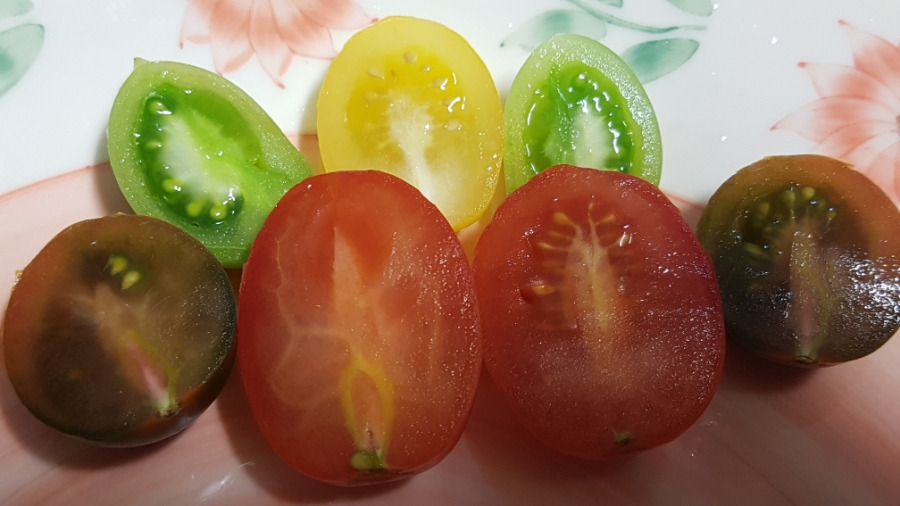
Just as a tomato should taste like a tomato, each of us has a different taste and a different color.
Self-acceptance means acknowledging and accepting myself as I am. That is why self-acceptance is the foundation of self-esteem.
Branden explained self-acceptance like this: feeling and acknowledging the reality of my thoughts, feelings and actions without denying or avoiding them; not losing respect and compassion for myself even before feelings or choices I don't like; and refusing a relationship in which I fight myself or push myself away.
Some of you may want to ask, “I want to raise my self-esteem, and you tell me to accept the me whose self-esteem is low?”
But change begins with acknowledgment and acceptance. It is one of life's paradoxes that if we cannot look straight at ourselves now and accept it, there is no change either.
When I cannot accept myself, I compare myself with others and put myself down — “Why am I like this? Only this much…” That uncomfortable feeling makes me react sensitively to even small provocations in relationships.
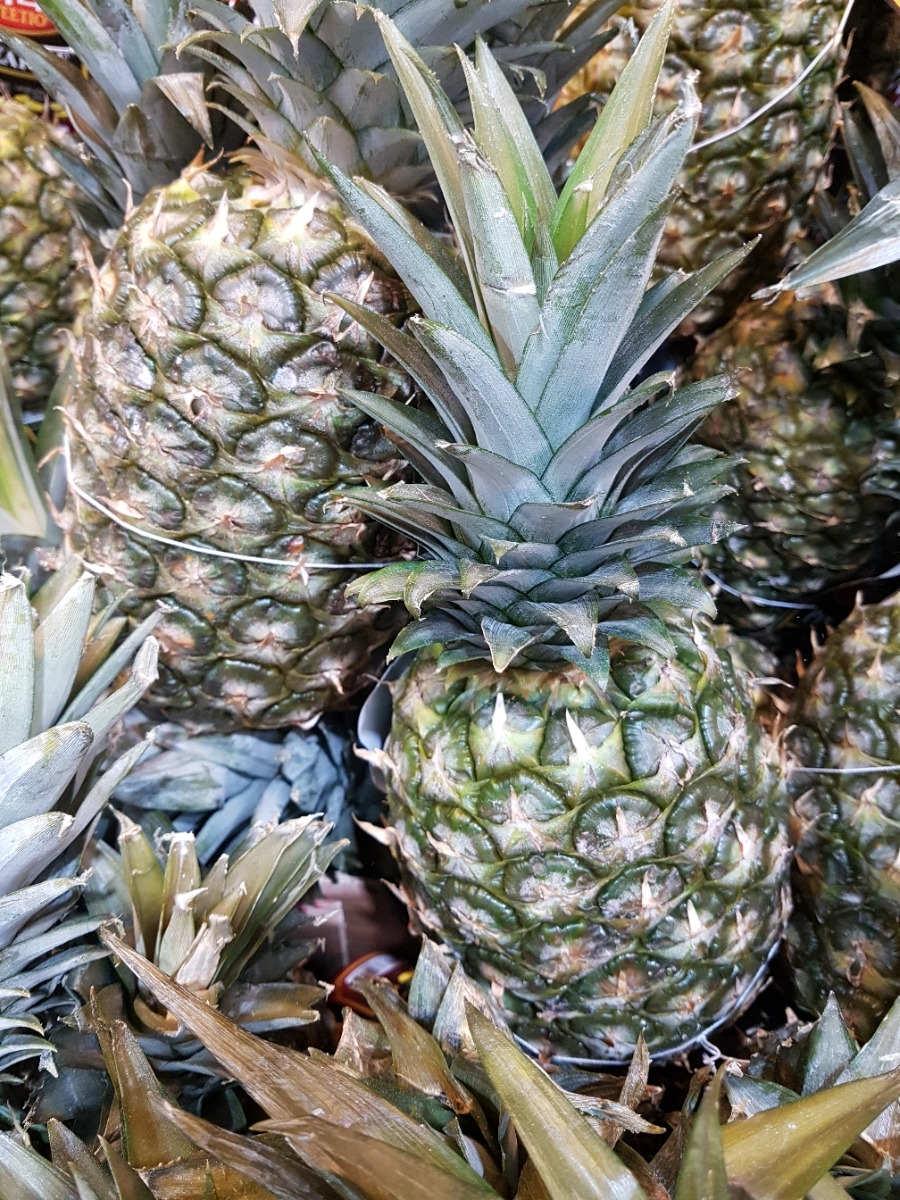
When you peel the rough skin of a pineapple, sweet yellow flesh appears with its fragrance. The practice of looking lovingly at and embracing even the self hidden in shadows we would rather not see — that is self-acceptance.
4. Why self-acceptance matters even more amid the 2027 trends
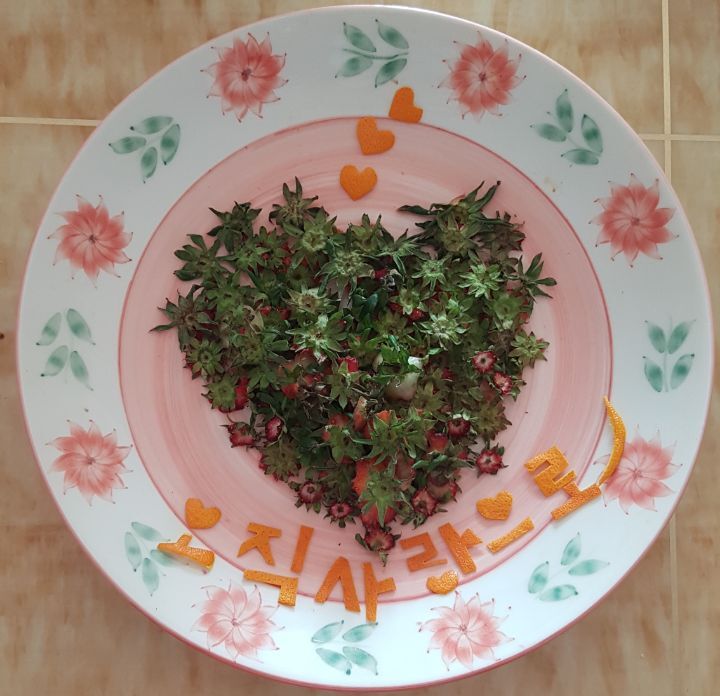
Alpha Sheep: the courage to try first, even if it isn't perfect. An age has come in which we try first and fix things as we go, rather than starting only after perfect preparation. Only those who accept that no one is perfect can take the first step without fear.
Most of us were raised to fit others' expectations with “I must…” and “I should become…”. I think that when we step away from that voice and listen to what we truly want, the voice of our heart, we can become the people of 2027 who are with the herd yet boldly open our own way.
I believe the PuNolChi Mind Table is something truly good for a healthy world. They say that in 2027 the eye to recognize what is good will become the most precious asset. I believe that eye begins with the eye that recognizes the good within me. Accepting myself opens the eyes of a heart that accepts others, letting me see other people as they are, not only the sides I want to see.
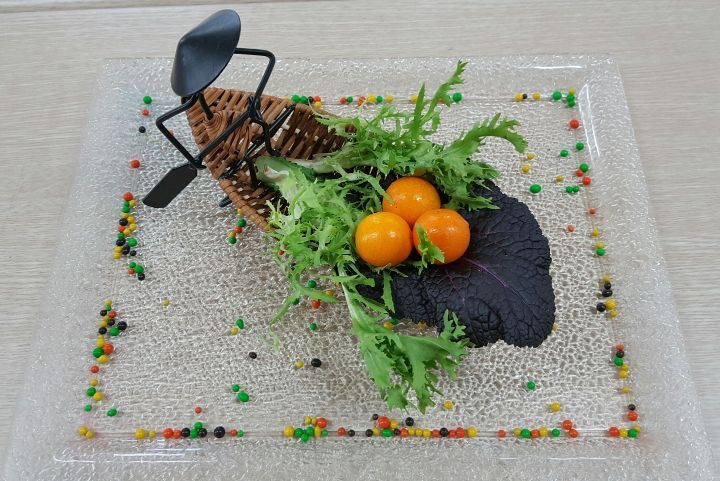
5. Five minutes a day of self-acceptance with the PuNolChi Mind Journey
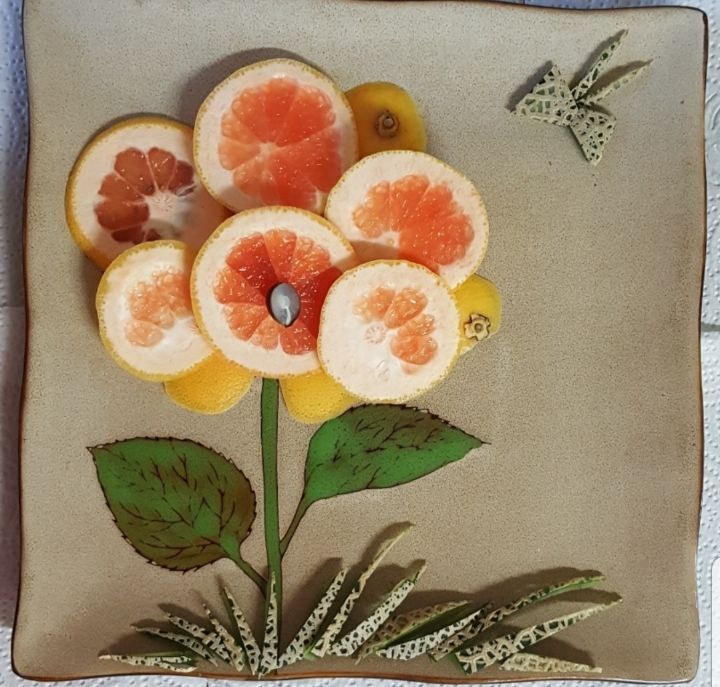
I have put the daily self-acceptance practice Branden suggested onto a PuNolChi Mind Table.
Step 1. Valuing and respecting myself. Among the vegetables and fruit in your fridge, choose one that resembles you right now. It is fine if it is a little ugly or wilted. Put it on a plate and say to it, “You are precious too.”
Step 2. Accepting my feelings. Without judging the feelings that rise as you look at that ingredient, acknowledge them as they are: “Right now I am feeling ___.” Even the feelings I don't want and the urge to resist.
Step 3. Understanding the inner motives of my actions. “Why did I do that then?” Instead of blaming myself, look for the wish hidden behind that action and express it on the plate as one small flower.
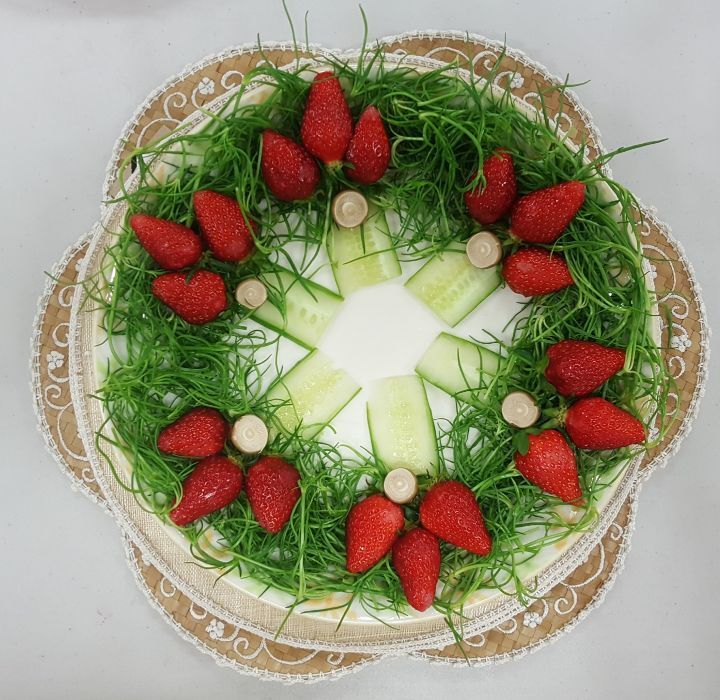
And finally, say this to yourself in the mirror:
“I can do it. I am a precious person. I am someone who grows a little every day.”
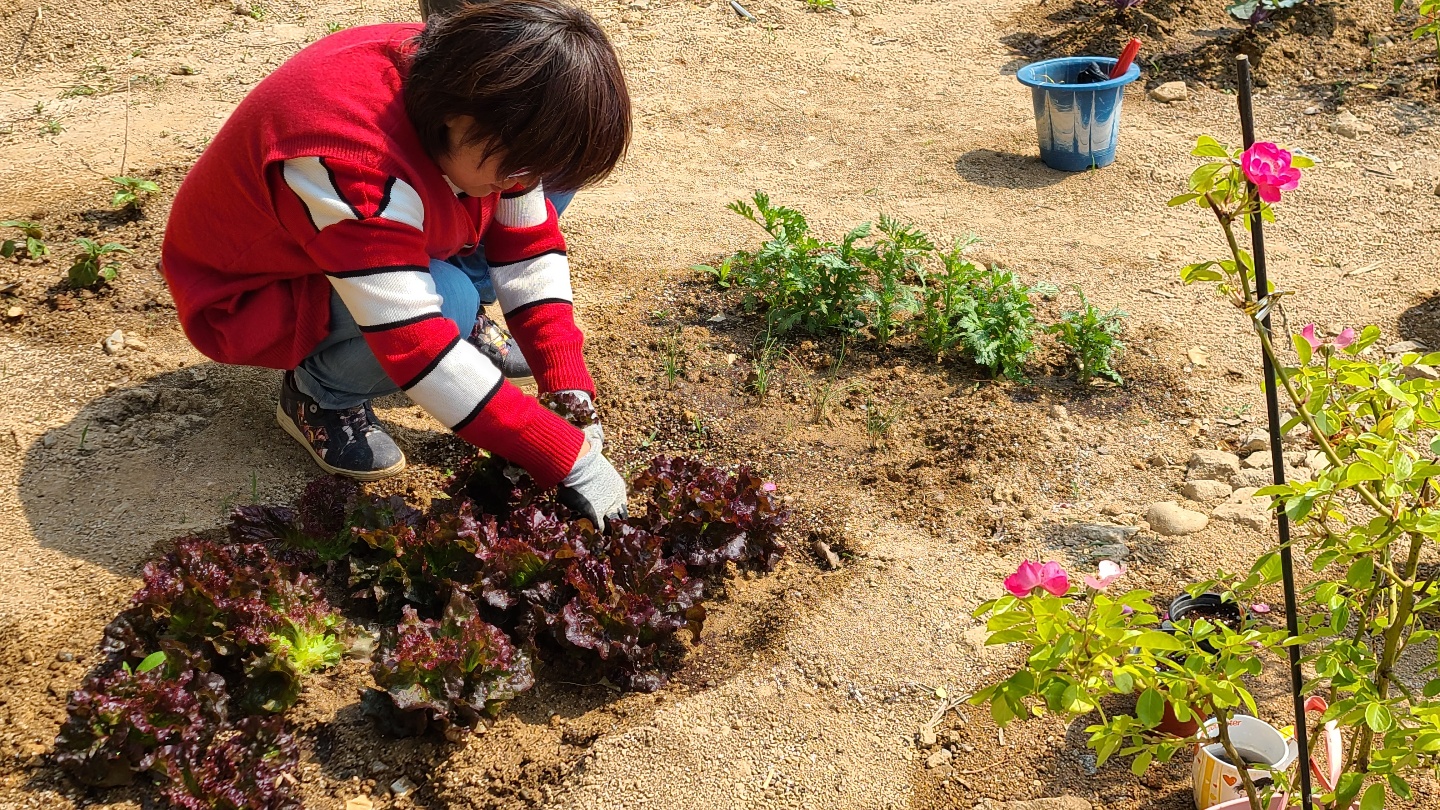
Like touching the soil with your hands, a time to write down whatever comes to mind — my positive sides and my negative sides — and accept all of them as mine. Those five minutes will become a sturdy pillar that protects me amid the overflowing stimulation of 2027.
Closing
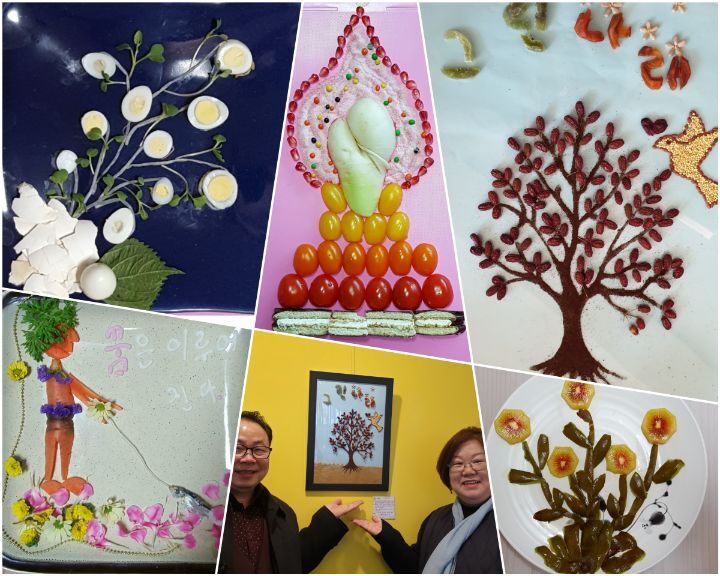
When I embrace myself as I am, I can at last embrace other people as they are too. In this way self-acceptance becomes the second pillar of self-esteem, opening my happy life.
In the next story I will come back with the third pillar, “self-responsibility: living as the lead in my own life.”
Which part of yourself would you like to hug today, saying “Yes, that is me too”?
Healing Santa Kim Ji-yu
References: Nathaniel Branden, The Six Pillars of Self-Esteem, and writings on his official website; press coverage of Trend Korea 2027 by Kim Nan-do et al.; Healing Santa's blog post “Self-Esteem 2. Self-Acceptance” (2019.1); and cafe posts “Tomorrow's class based on Nathaniel Branden's six pillars of self-esteem” (2021.3) and “Becoming someone who accepts and loves my honest self” (2022.6)
This story was first posted in the PuNolChi Mind Journey healing writing of the healing space Haengbok Yeolgi cafe.